
New Jersey just took a bold step into the world of psychedelic medicine. Lawmakers passed a bill on Monday to launch a psilocybin therapy pilot program, backed by $6 million in state funding. This move could open doors for new treatments in mental health, but it now awaits Governor Phil Murphy’s signature. What does this mean for patients struggling with depression or anxiety? Stick around to find out.
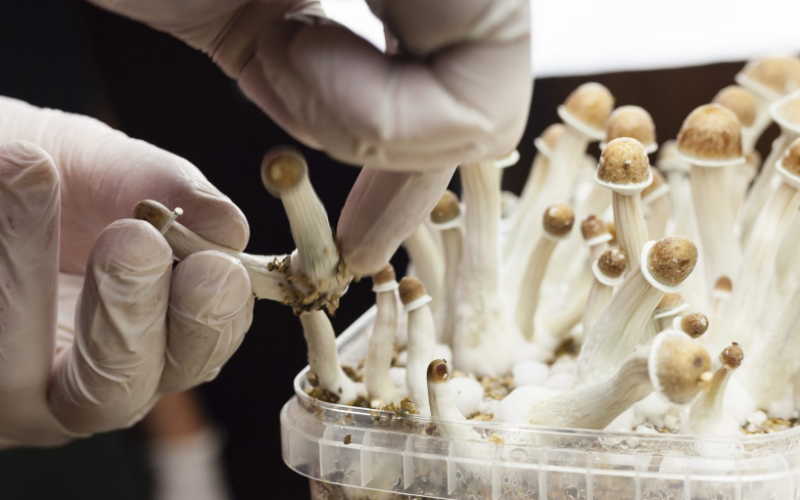
The bill sets up a pilot program to explore psilocybin, the active compound in magic mushrooms, as a therapy tool. It targets adults with conditions like depression, anxiety, substance use disorders, and end-of-life distress. Hospitals and research centers in New Jersey would run the studies, focusing on safe, supervised sessions.
This initiative marks a shift in how states view psychedelics for health care. Lawmakers point to research from top medical groups showing psilocybin’s promise. For instance, studies from Johns Hopkins University and other institutions have found it can ease severe depression when paired with talk therapy.
One key feature is the $6 million funding allocation. This cash will support training for therapists, patient monitoring, and data collection over the program’s duration. Supporters say it could help thousands, especially veterans and first responders dealing with trauma.
The program would operate under strict rules. Only licensed facilities could participate, and treatments would happen in controlled settings to minimize risks.
How the Bill Made It Through the Legislature
The road to passage was steady but swift. The measure advanced through several committees in the House and Senate over the past few months. It cleared the Assembly Health Committee in late November 2025 and picked up steam from there.
On Monday, both chambers gave their full approval. The vote came after debates highlighting success stories from places like Oregon, where similar programs have helped people with treatment-resistant conditions. New Jersey Democrats led the push, with sponsors like Assemblymembers Herb Conaway, Clinton Calabrese, and Anthony Verrelli championing the bill.
“I think it’s a real opportunity for New Jersey to lead an area of medicine that is groundbreaking,” one lawmaker said during discussions. Republicans showed mixed support, with some abstaining due to concerns over federal laws, since psilocybin remains a Schedule I substance nationally.
Now, the bill heads to Governor Phil Murphy, a Democrat known for progressive stances on health issues. He has until early February to sign or veto it, based on state timelines. If approved, the program could start rolling out by mid-2026.
Here’s a quick timeline of the bill’s progress:
- November 2025: Introduced and passed initial Assembly committee.
- December 2025: Advanced through appropriations and health panels.
- January 13, 2026: Full legislature approval.
Potential Benefits and Challenges Ahead
Early research backs the bill’s claims. A 2023 study by the American Medical Association found psilocybin reduced symptoms in 60% of participants with bipolar depression after a single dose with therapy. This was a small trial of 15 people, but it stopped all other meds to test effects clearly.
For New Jersey residents, this could mean new hope for tough cases. Imagine a veteran battling PTSD finding relief without endless pills. Or someone with terminal illness easing their final days. The pilot aims to gather real-world data on these outcomes.
But challenges loom. Critics worry about access and safety. Who qualifies? How do you prevent misuse? The bill addresses this by limiting it to medical settings, not recreational use.
Costs are another factor. While $6 million kickstarts it, ongoing funding might be needed. Plus, federal hurdles could slow things down, as the DEA still classifies psilocybin as having no medical value.
Experts like those from Faces & Voices of Recovery note the policy landscape is evolving. Their January 2026 update highlights growing interest in recovery-focused innovations.
Broader Impact on Mental Health Landscape
This bill fits into a national trend. States like Colorado and Oregon have legalized psilocybin therapy, with promising results. Oregon’s program, started in 2023, has served hundreds, though high costs sparked criticism.
In New York, a similar pilot for veterans and first responders passed the Assembly in early 2025, allocating spots for 10,000 participants in the western region.
New Jersey could become an East Coast leader if this takes off. It builds on the state’s cannabis reforms, showing a pattern of rethinking drug policies for health benefits.
Data from the Substance Abuse and Mental Health Services Administration shows over 50 million Americans faced mental illness in 2024. Psychedelics might fill gaps where traditional treatments fail.
One table sums up key studies:
| Study Source | Year | Key Finding | Participants |
|---|---|---|---|
| Johns Hopkins | 2020 | Reduced anxiety in cancer patients | 51 |
| AMA Journal | 2023 | Eased bipolar depression | 15 |
| NYU Langone | 2022 | Helped alcohol use disorder | 95 |
These numbers highlight potential, but more research is crucial.
The push reflects hope amid a mental health crisis. With rising rates of depression post-pandemic, innovations like this could save lives.
As New Jersey stands on the brink of this psychedelic frontier, the bill’s passage sparks both excitement and debate. It promises breakthroughs for those in need, backed by science and state dollars, while navigating legal and ethical hurdles.