
In a bold move that could reshape America’s drug laws, a top attorney fighting federal marijuana prohibition says he’s optimistic the Supreme Court might step in. This case, brought by cannabis businesses, challenges the heart of national weed bans, sparking debates on states’ rights and commerce rules. What’s at stake? A potential end to decades of conflict between state and federal policies.
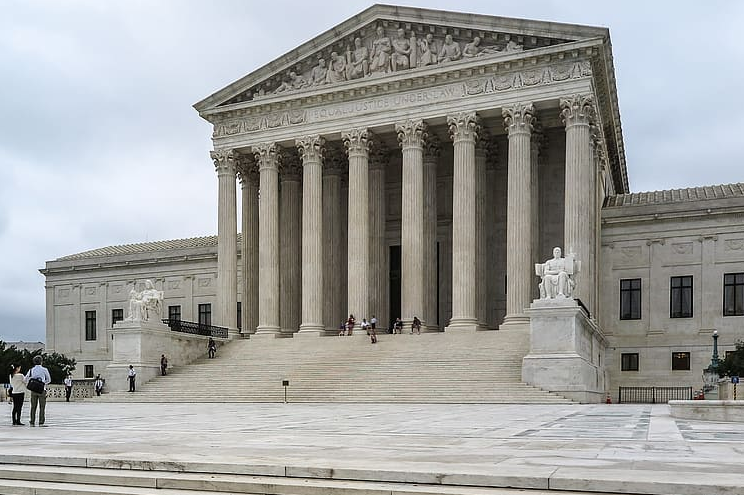
A group of marijuana companies filed a petition with the U.S. Supreme Court in late October 2025, asking justices to review the constitutionality of federal prohibition. The case argues that the Commerce Clause does not give the federal government power to enforce criminal laws against cannabis activities that stay within state borders.
This challenge comes at a time when 24 states have legalized recreational marijuana and 38 allow medical use, creating a patchwork of laws clashing with federal rules.
The lead attorney from the firm Boies Schiller Flexner expressed hope in a recent interview, saying he’s “hopeful” yet “nervous” about the court’s decision. He points to growing public support and shifting attitudes as reasons the justices might take the case.
Filed just two weeks before the latest updates, the petition builds on lower court rulings that dismissed similar claims, pushing the fight to the nation’s highest court.
Why Federal Ban Faces Scrutiny Now
The lawsuit claims federal prohibition oversteps by regulating intrastate commerce, which should fall under state control. Plaintiffs include businesses hit hard by banking restrictions, tax issues, and criminal risks despite operating legally in their states.
A 2023 Pew Research Center survey showed 88% of Americans think marijuana should be legal for medical or recreational use, up from 32% in 2000. This shift fuels the case, as attorneys argue outdated laws ignore modern realities.
One key angle is the economic impact. The cannabis industry generated over $32 billion in sales in 2024, according to data from the market research firm BDSA, yet federal bans block access to standard banking and interstate trade.
Attorneys hope the Supreme Court sees this as a chance to clarify limits on federal power, especially after recent rulings on gun rights and drug users.
Broader Effects on States and Users
If the Supreme Court takes the case, it could force a rethink of how federal laws interact with state marijuana programs. States like California and Colorado, where weed is big business, stand to gain from clearer rules.
For everyday users, success might mean fewer conflicts over jobs, housing, and gun ownership. A related case the court agreed to hear in October 2025 questions if marijuana users can own firearms, highlighting tensions between Second Amendment rights and drug laws.
Gun rights groups have urged combining cases for a fuller review, arguing current bans unfairly target sober users.
- State economies boosted: Legal weed has created over 400,000 jobs nationwide, per a 2024 report from Leafly.
- Public health angles: Advocates say ending prohibition could improve regulation and reduce black market risks.
- Legal hurdles remain: Even with hope, experts warn the conservative court might decline or rule narrowly.
This push reflects years of advocacy, from medical patients to entrepreneurs tired of federal roadblocks.
What’s Ahead for the Case
The Supreme Court has not yet decided if it will hear the full arguments, with a response expected soon. If accepted, oral arguments could happen in early 2026, leading to a decision by summer.
Attorneys involved remain positive, citing the court’s recent interest in drug-related cases. For instance, a Fifth Circuit ruling in August 2024 found bans on gun possession by marijuana users unconstitutional, comparing them to alcohol users who regain sobriety.
No matter the outcome, this lawsuit spotlights the growing divide between federal policy and state actions.
Experts predict more challenges if the court passes, as cannabis reform gains momentum through ballots and legislation.
In a landscape where marijuana is more accepted than ever, this case tests if old prohibitions can survive new realities.
As this legal battle heats up, it raises big questions about freedom, commerce, and drug policy in America. The attorney’s hope signals a turning point, but only time will tell if the Supreme Court agrees to weigh in.