

Indiana stands on the brink of a major shift in its cannabis laws as a Democratic lawmaker introduces a bold proposal to end penalties for small-scale marijuana possession and growing. This move could reshape how the state handles weed, sparking debates on freedom, economy, and public health. But will it pass in a Republican-led legislature?
Rep. Mitch Gore, a Democrat from Indianapolis, filed House Bill 1191 on Monday, aiming to wipe out punishments for having or cultivating up to two ounces of marijuana. This legislation would decriminalize low-level cannabis activities without setting up any system for stores or licensed sales. It keeps things simple, focusing on personal use rather than big business.
The bill targets current rules that label any marijuana possession or growing as a Class B misdemeanor, which can lead to fines and jail time. Under the new plan, folks could grow their own plants at home for personal needs, as long as they stay under the two-ounce limit. However, it draws a hard line on concentrated forms like hashish and hash oil, keeping those fully illegal.
This non-commercial approach sets Indiana apart from neighbors like Michigan and Illinois, where full markets thrive.
Gore argues this is a commonsense step to match public views and cut down on unnecessary arrests.
Indiana’s Long Road to Cannabis Reform
For years, Indiana has lagged behind in marijuana policy while surrounding states leaped ahead. Ohio, Kentucky, Michigan, and Illinois all allow some form of legal cannabis, leaving Hoosiers driving across borders for access. This bill comes as no surprise, building on past efforts like a 2023 proposal that got a hearing but no vote.
Back in February 2023, lawmakers discussed decriminalizing small amounts but let it die without action. Now, with Gore’s push, the conversation revives in the 2026 legislative session. The bill landed in the Committee on Courts and Criminal Code, where it awaits debate.
Public support runs high. A 2023 poll by Ball State University showed over 85% of Hoosiers favor some legalization, especially for medical use. That sentiment echoes in recent talks, with Democrats like former gubernatorial candidate Jennifer McCormick calling for reform to boost state revenue.
Yet, resistance persists in the Republican-dominated General Assembly, where leaders often prioritize strict drug laws.
Potential Impacts on Economy and Society
If passed, this bill could free up law enforcement resources and reduce court backlogs from minor pot cases. Indiana arrests thousands yearly for possession, costing taxpayers millions in processing and incarceration. By removing penalties, the state might save big while letting adults make personal choices.
On the flip side, without regulations, concerns arise about safety and youth access. Critics worry it could lead to unregulated home grows, potentially increasing black market activity. Supporters counter that education and guidelines could address those fears.
Economically, even without sales, the change might indirect benefits. Neighboring states rake in hundreds of millions in cannabis taxes annually. Indiana misses out, with estimates from a 2024 Democratic plan suggesting $170 million in lost revenue each year from full legalization.
Here’s how Indiana stacks up against neighbors:
| State | Legal Possession Limit | Commercial Sales Allowed? | Annual Tax Revenue (Approx.) |
|---|---|---|---|
| Michigan | Up to 2.5 ounces | Yes | $500 million |
| Illinois | Up to 1 ounce | Yes | $400 million |
| Ohio | Up to 2.5 ounces | Yes (recent) | $200 million (projected) |
| Indiana (Proposed) | Up to 2 ounces | No | N/A (no sales) |
This table highlights the gap, pushing some to wonder if Gore’s bill is just a starting point.
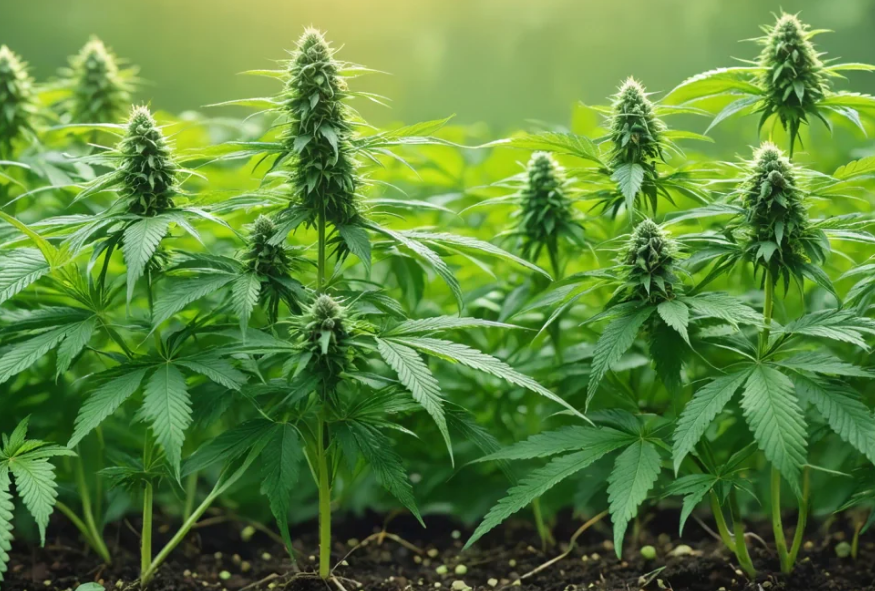
Lives could change too. Patients with chronic pain or anxiety might grow their own relief, avoiding illegal risks.
Reactions Pour In from All Sides
Social media buzzes with opinions on Gore’s bill, from cheers to sharp critiques. Advocates hail it as a win for personal liberty, while opponents fear it opens doors to broader drug issues.
One key voice is State Sen. Greg Taylor, a Democrat who filed similar bills before, stressing that Hoosiers want equitable laws. On X, users share stories of border runs for legal weed, frustrated by Indiana’s stance.
Republicans, like those behind a separate “craft hemp” bill, focus on low-THC products instead. They argue full marijuana reform needs more study.
Gore remains optimistic, pointing to shifting national tides. With federal talks on rescheduling cannabis, he sees momentum.
This proposal tests Indiana’s willingness to evolve.
As Indiana weighs this marijuana bill, it captures a pivotal moment for reform, blending calls for freedom with cautions on risks. The outcome could ease burdens on citizens, align with neighbors, and spark economic talks, all while respecting public will.