
NEWS
Identifying Cannabis Grow Houses: Key Signs to Watch For

As the cannabis industry continues to grow, so does the illegal cultivation of marijuana in residential properties. Homeowners and landlords need to be vigilant about the signs that their property might be used as a cannabis grow house. These operations can cause significant damage to the property and pose serious safety risks. Understanding the tell-tale signs can help prevent and address this illegal activity effectively.
Unusual Property Modifications
One of the first indicators that a property is being used as a cannabis grow house is unusual modifications. These changes are often made to accommodate the specific needs of cannabis cultivation. For instance, you might notice that windows are permanently covered or blacked out to prevent light from escaping. This is done to maintain the necessary light cycles for the plants.
Another common modification is the installation of additional ventilation systems. These systems are used to control the temperature and humidity levels inside the house, which are crucial for cannabis growth. You might see large ducts or vents that are not typical for a residential property. These modifications can also lead to structural damage if not done properly.
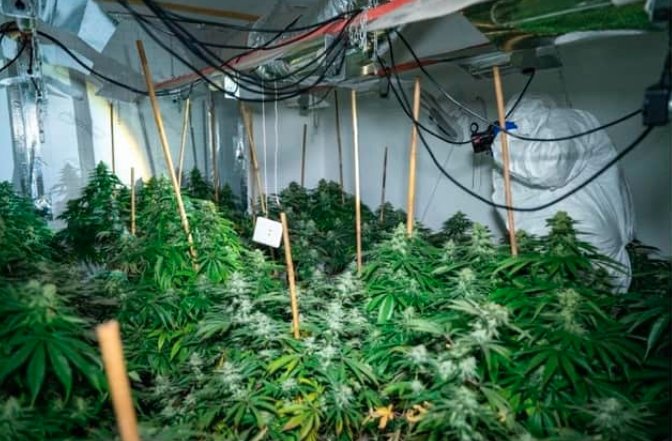
Electrical modifications are also a red flag. Cannabis cultivation requires a significant amount of electricity for lighting and other equipment. You might notice tampered electrical meters or unusual wiring setups. These modifications can be dangerous and increase the risk of electrical fires.
Suspicious Activity and Behavior
The behavior of the occupants can also provide clues that a property is being used as a grow house. One of the most obvious signs is the presence of strong, unusual odors. Cannabis plants have a distinct smell, and if you notice this odor coming from a property, it could be a sign of illegal cultivation.
Another behavioral sign is the presence of condensation on windows. This is caused by the high humidity levels needed for cannabis growth. You might also notice that the windows are always covered, and there is little to no natural light coming from the property. This is done to maintain the controlled environment inside.
Frequent comings and goings at odd hours can also be a sign. Grow house operators often visit the property at unusual times to avoid detection. You might see people entering and leaving the property quickly, often using the garage or back entrance. This behavior is meant to minimize the chances of being noticed by neighbors or law enforcement.
Physical Damage and Environmental Clues
Physical damage to the property is another indicator of a grow house. The high humidity levels can cause mold and mildew to develop on walls and ceilings. You might also notice peeling wallpaper or paint, which is a result of the excessive moisture. These conditions can make the property uninhabitable and require costly repairs.
The presence of unusual equipment can also be a clue. Grow houses often use large amounts of soil, pots, and other gardening supplies. You might see these items being delivered to the property or stored in unusual places. Additionally, the use of high-powered lights can cause discoloration on the roof or walls, which is another sign of a grow operation.
Environmental clues can also help identify a grow house. For example, you might notice that the property has an unusually high electricity bill. This is because cannabis cultivation requires a lot of power. You might also see signs of tampering with the electrical meter or evidence of bypassing the meter to avoid detection.

DOJ Slams Drug Testers Over Marijuana Rescheduling Fight

U.S. Feds Admit Marijuana Safer Than Alcohol at DEA Hearing

Republicans Fight Marijuana Tax Relief After Rescheduling

Tim Scott Urges Congress to Legalize Weed for Bank Access

Indiana Pushes for Marijuana Legalization with New Bill

Demecan Nears €100 Million Valuation After Fresh Funding Round

Unlicensed Cannabis Dispensary Shut Down in Northwest DC

Identifying Cannabis Grow Houses: Key Signs to Watch For

Ascend Wellness Terminates CFO and CEO Amid Refinancing Efforts

Michigan’s First Cannabis Consumption Lounge and Music Venue Set to Open Near Ypsilanti
-
 NEWS2 years ago
Demecan Nears €100 Million Valuation After Fresh Funding Round
-
 NEWS2 years ago
Ascend Wellness Terminates CFO and CEO Amid Refinancing Efforts
-
 NEWS2 years ago
Unlicensed Cannabis Dispensary Shut Down in Northwest DC
-
 NEWS2 years ago
Michigan’s First Cannabis Consumption Lounge and Music Venue Set to Open Near Ypsilanti
-

 NEWS1 year ago
Trump White House Rehires Outspoken Anti-Cannabis Doctor as Drug Policy Adviser
-

 NEWS3 years ago
Cannabis Industry Mourns the Loss of Anthony Macherone, a Pioneer in Cannabis Testing and Analysis
-

 CANNABIS3 years ago
DeltaBev Unveils the World’s Largest Cannabis Beverage Plant in LA
-

 NEWS2 years ago
Accel Network Pioneers Cannabis-Related Card Transactions