

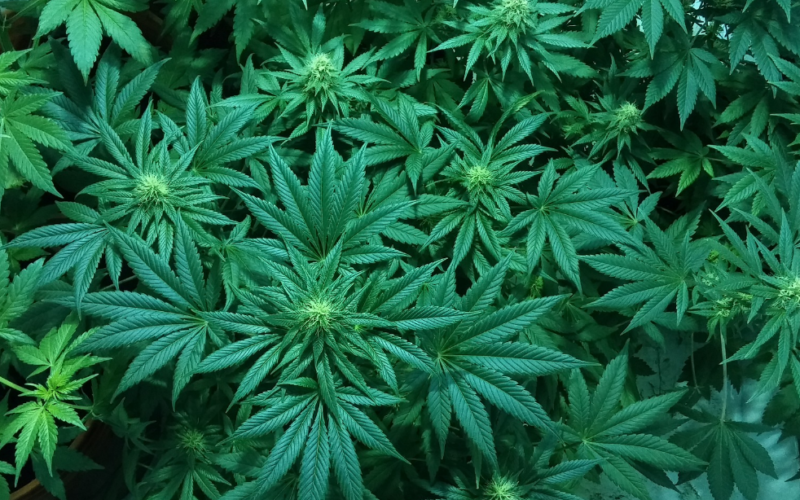
President-elect Donald Trump just signaled strong support for shaking up federal cannabis rules, a move that could end decades of conflict with states. His backing of rescheduling medical marijuana marks a bold step toward modern policy. With 38 states already allowing medical use, this change teases big relief for patients and businesses, but experts say full removal from drug lists is the real fix.
Trump made waves in recent interviews by voicing support for cannabis rescheduling. He called medical marijuana a good idea and stressed states should handle recreational rules. This comes as the incoming administration eyes quick action on a proposal already in motion.
Trump wants federal rules to match state laws on medical cannabis products. His team sees this as key to letting banks serve legal providers and easing taxes that now crush small firms.
The timing feels urgent. Cannabis sales hit 28 billion dollars last year across legal states. Patients in places like Florida and Pennsylvania wait for relief while federal red tape blocks research and access.
What Rescheduling to Schedule III Means
Moving cannabis from Schedule I, where it sits with heroin, to Schedule III would be huge. Schedule I bans all medical use, but III allows it with limits, like for pain drugs. The Biden team proposed this in August, after health experts reviewed data.
Under this shift, doctors could prescribe cannabis easier. Research would boom too, since Schedule I blocks most studies. State-licensed growers and sellers gain federal nods for banking and taxes. Right now, Section 280E forces them to pay up to 70 percent taxes without business deductions.
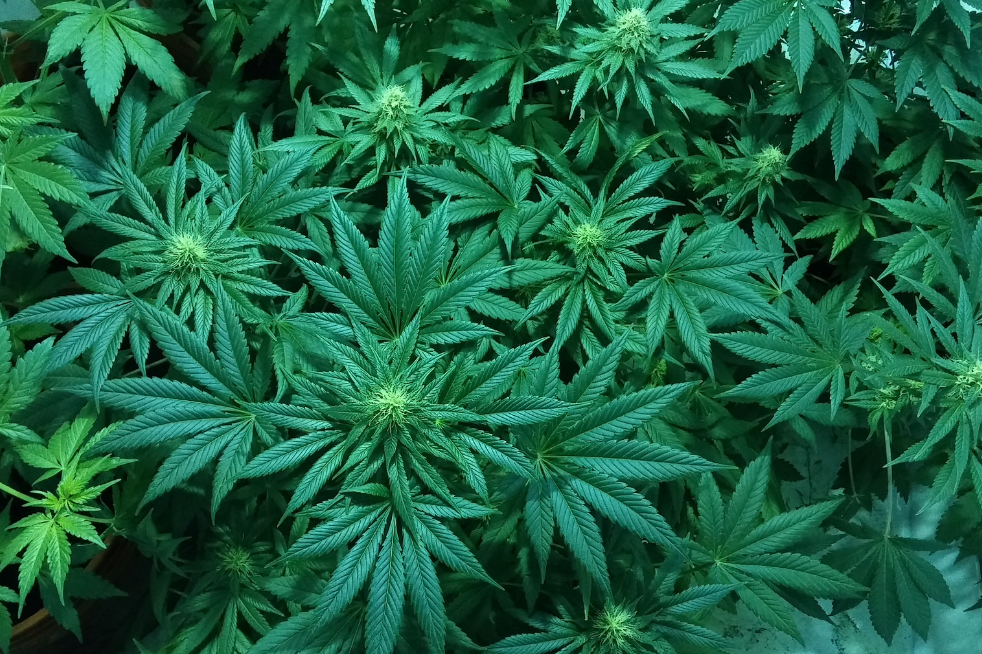
Doctors say this opens doors for veterans with PTSD, who number over 20,000 using cannabis now.
| Cannabis Schedules | Key Changes |
|---|---|
| Schedule I (Current) | No medical use; full ban on research |
| Schedule III (Proposed) | Accepted medical value; allows prescriptions and studies |
| Descheduled (Ideal) | Treated like alcohol; full state control |
State Wins and Federal Clashes
Nearly half the country lives where medical cannabis is legal. Twenty-four states plus DC allow recreational too. Yet federal agents can still raid farms, even if states say okay.
Trump’s push recognizes state providers. This fixes fights where IRS audits hit billions and banks shun the industry. A 2023 study by New Frontier Data showed legal sales could double to 44 billion by 2026 with federal help.
Bank access alone could unlock 10 billion in growth for small operators. Farmers in Oregon and Colorado cheer, as they lose sleep over cash-only ops.
Think about everyday folks. A mom in Texas with a sick kid drives hours across borders for relief, all because D.C. lags.
Expert Calls for Full Reform
Paul Armentano from NORML, a top advocacy group, praised the shift but pushed further. He said real peace comes from pulling cannabis off the Controlled Substances Act entirely. That ends all federal bans.
Experts agree partial fixes leave risks. Rescheduling keeps some research hurdles and ignores recreational markets. A 2024 Gallup poll found 70 percent of Americans back legalization, up from 12 percent in 1969.
NORML points to data: Arrests for possession fell 95 percent in legal states per FBI stats from 2010 to 2022. Full descheduling could save states billions in enforcement costs.
- Safer products with lab tests now standard in states
- Jobs boom: 428,000 full-time roles in 2023
- Tax windfall: 3.7 billion dollars to states last year
Road Ahead for Cannabis Policy
The DEA wraps public comments on rescheduling soon. Trump’s team could fast-track it or go bigger with new laws. Lawmakers eye bills like SAFE Banking to let pot firms use normal services.
Challenges linger. Some GOP holdouts fear youth use, though data shows legal states have steady teen rates around 15 percent per CDC 2023 surveys. Public health wins include fewer opioids deaths in cannabis states, down 25 percent by one 2022 JAMA study.
Patients hope for quick wins. This reform touches millions, from vets to cancer fighters seeking pain relief without stigma.
Change feels close after years of gridlock. Trump’s nod brings real momentum to an industry starved for fairness.
As cannabis rules evolve, patients gain hope, businesses breathe easier, and old stigmas fade. Trump’s support spotlights a path to end outdated bans that hurt real lives.