
NEWS
Vermont Lawmakers Debate Psilocybin Legalization in Psychedelic Study Bill

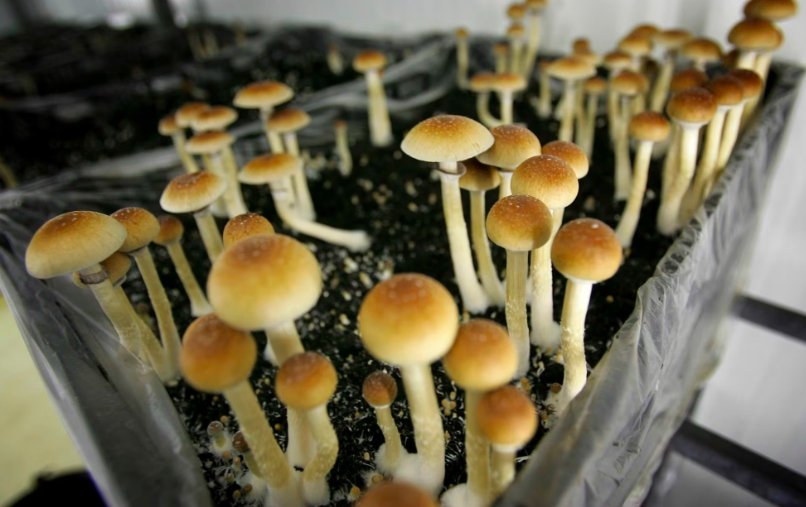
A bill that would create a study group to examine the potential benefits and risks of legalizing psilocybin, the active ingredient in magic mushrooms, is facing opposition from some Vermont lawmakers who want to remove the legalization provision from the legislation.
The Bill’s Background and Purpose
The bill, H. 309, was introduced by Rep. Brian Cina, a Progressive/Democrat, who said he wanted to start a conversation about the therapeutic potential of psilocybin and other psychedelic substances. The bill would establish a 13-member committee, composed of legislators, health professionals, and advocates, to review the scientific literature and make recommendations on how to regulate psilocybin in Vermont.
Cina said he was inspired by the recent legalization of psilocybin in Oregon, where voters approved a ballot measure in 2020 that allows licensed providers to offer psilocybin therapy to adults. He also cited the growing body of research that suggests psilocybin can help treat conditions such as depression, anxiety, addiction, and post-traumatic stress disorder.
“I think it’s important for us to be open-minded and look at the evidence and see what’s out there,” Cina said. “There are people who are suffering and who could benefit from these substances.”
The Opposition and Amendments
However, not everyone in the legislature is on board with Cina’s vision. Some lawmakers have expressed concerns about the safety and legality of psilocybin, as well as the political feasibility of passing such a bill.
Rep. Anne Donahue, a Republican, said she supports the idea of studying psychedelics, but not legalizing them. She proposed an amendment that would strike the legalization language from the bill and focus only on the study group.
“I think it’s premature to talk about legalization when we don’t have the information,” Donahue said. “I think it’s a distraction from the real purpose of the bill, which is to look at the science and the evidence.”
Donahue’s amendment was supported by Rep. Chip Troiano, a Democrat, who also introduced a separate bill, H. 423, that would decriminalize the possession of psilocybin and other drugs. Troiano said he thinks decriminalization is a more realistic and humane approach than legalization.
“I think legalization is a big leap,” Troiano said. “I think decriminalization is a step in the right direction, to reduce the stigma and the criminalization of people who use these substances.”
The Future of the Bill
The bill is currently in the House Committee on Government Operations, where it has not yet been voted on. Cina said he is open to compromise and amendments, but he hopes the bill will not lose its original intent.
“I’m not attached to the specific language of the bill, but I’m attached to the idea of exploring this issue and having a dialogue,” Cina said. “I think it’s a timely and relevant topic, and I think Vermont can be a leader in this area.”
The bill has also attracted the attention of some advocacy groups, such as the Vermont Psychedelic Society, which was founded by a group of health professionals who support the decriminalization and legalization of psychedelics. Rick Barnett, a clinical psychologist and addiction specialist, said he hopes the bill will advance and spark more public awareness and education.
“We’re very excited about this bill and the opportunity to have a conversation about psychedelics in Vermont,” Barnett said. “We think there’s a lot of potential for healing and transformation, and we want to share that with the people of Vermont.”

DOJ Slams Drug Testers Over Marijuana Rescheduling Fight

U.S. Feds Admit Marijuana Safer Than Alcohol at DEA Hearing

Republicans Fight Marijuana Tax Relief After Rescheduling

Tim Scott Urges Congress to Legalize Weed for Bank Access

Indiana Pushes for Marijuana Legalization with New Bill

DeltaBev Unveils the World’s Largest Cannabis Beverage Plant in LA

Michigan’s First Cannabis Consumption Lounge and Music Venue Set to Open Near Ypsilanti

Accel Network Pioneers Cannabis-Related Card Transactions

DeSantis Sidelines Pro-Marijuana Republican in CFO Appointment, Stirring Intra-Party Friction

Trump White House Rehires Outspoken Anti-Cannabis Doctor as Drug Policy Adviser
-
 CANNABIS3 years ago
DeltaBev Unveils the World’s Largest Cannabis Beverage Plant in LA
-
 NEWS2 years ago
Michigan’s First Cannabis Consumption Lounge and Music Venue Set to Open Near Ypsilanti
-
 NEWS2 years ago
Accel Network Pioneers Cannabis-Related Card Transactions
-
 NEWS1 year ago
DeSantis Sidelines Pro-Marijuana Republican in CFO Appointment, Stirring Intra-Party Friction
-
 NEWS1 year ago
Trump White House Rehires Outspoken Anti-Cannabis Doctor as Drug Policy Adviser
-

 CANNABIS3 years ago
LEEF and Lifted Organics Partner Up to Launch a Joint Cannabis Nursery
-

 CANNABIS3 years ago
Cookies faces lawsuit over breach of contract in New York cannabis market
-

 NEWS3 years ago
New Brunswick company fined for operating illegal cannabis store