

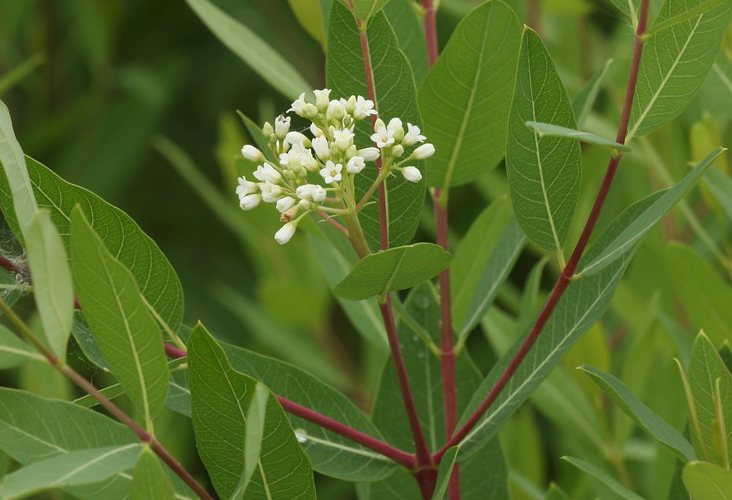
Congressional leaders have struck a deal on a spending bill that could shut down a huge chunk of the hemp market by recriminalizing many THC products. This move comes amid a government shutdown, and it drops plans to let VA doctors suggest medical marijuana to veterans. What’s next for farmers, businesses, and users? Dive in to find out how this shakes up the industry.
Lawmakers released the bill on Sunday, aiming to end the ongoing government shutdown. The legislation redefines federal hemp rules, banning products with more than 0.4 milligrams of THC per container. This targets intoxicating items like Delta-8, often sold at gas stations and online.
The bill builds on the 2018 Farm Bill, which legalized hemp but left loopholes for THC-infused goods. Now, it closes those gaps by classifying high-THC hemp as Schedule I drugs, illegal under federal law.
Supporters say this protects consumers from unregulated products. A summary from the Senate Appropriations Committee notes it preserves non-intoxicating CBD and industrial hemp uses.
This isn’t sudden. Over recent months, pressure built from various groups pushing for tighter controls.
How This Affects the Hemp Industry
The ban could wipe out billions in sales for hemp businesses. Industry experts estimate the hemp-derived THC market is worth around $28 billion annually, supporting thousands of jobs. Farmers who switched to hemp after 2018 might face big losses.
For example, small growers in states like Pennsylvania and Georgia invested heavily, only to see potential shutdowns. One recent court ruling in Wyoming upheld a similar state ban, showing a trend toward stricter rules.
Business owners worry about confusion. Products like full-spectrum CBD, which contain trace THC, might get caught in the crossfire.
The bill gives a one-year grace period before full enforcement, but that might not be enough for companies to pivot.
- Hemp farmers could lose key revenue streams.
- Retailers face product pulls from shelves.
- Consumers might turn to black-market options, raising safety risks.
This shift hits everyday people too, from those using CBD for pain relief to veterans seeking alternatives.
Exclusion of Veteran Marijuana Provisions
The deal also axes a popular idea: letting VA doctors recommend medical marijuana. Both the House and Senate had passed versions allowing this, but leaders dropped it from the final bill. Veterans groups are upset, calling it a missed chance to help those with PTSD and chronic pain.
About 20% of veterans report using cannabis for health issues, according to a 2023 study by the American Legion. Without this, many stay stuck in a legal gray area.
Advocates argue it’s a step back. “Veterans deserve access to all options,” said one expert from a nonprofit group.
This exclusion highlights ongoing debates over federal cannabis policy, even as states move forward.
Broader Push for Hemp Regulation
The bill didn’t come out of nowhere. A bipartisan group of 39 state attorneys general urged Congress last month to fix the 2018 Farm Bill’s loopholes. They warned about unregulated Delta-8 products harming kids and fueling black markets.
Even the alcohol industry jumped in, with major groups like the Beer Institute calling for a temporary ban until new rules are set. They see hemp THC as unfair competition.
| Group | Stance | Key Reason |
|---|---|---|
| State AGs | Support ban | Protect public health from synthetic cannabinoids |
| Alcohol Associations | Back restrictions | Ensure fair market and regulations |
| Hemp Advocates | Oppose | Fear job losses and overreach |
Recent court cases, like the 10th Circuit upholding Wyoming’s ban, add momentum. Meanwhile, senators like Rand Paul have pushed back, filing bills to raise THC limits instead.
This legislation ties into bigger talks on cannabis reform, as the U.S. navigates shifting views on marijuana.
The spending bill’s hemp crackdown and VA exclusion mark a tough turn for cannabis progress, potentially reshaping markets and access overnight. It saves non-intoxicating products but slams the door on a booming sector, leaving farmers scrambling and veterans without new options. As debates rage, this could spark more state-level fights or future fixes.