

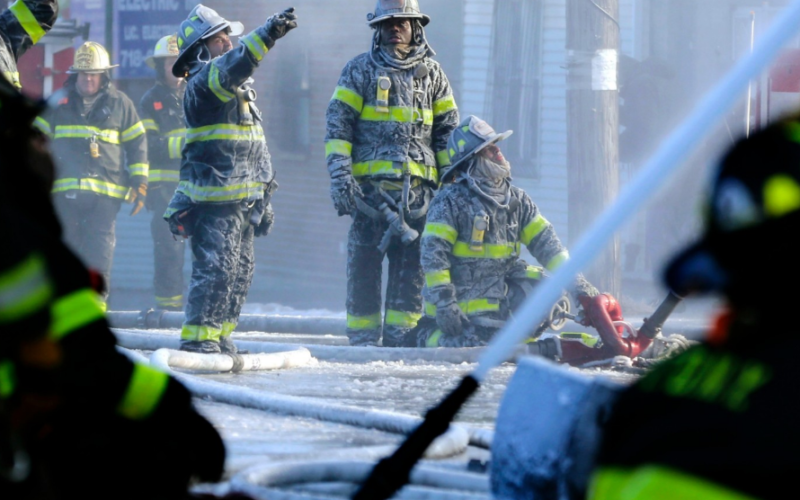
In a bold move to support those who run into burning buildings, Maryland senators on Thursday dug into a bill that could end job penalties for fire fighters and rescue workers using medical marijuana off duty. This push comes as the state grapples with how to balance worker rights and safety in high-stakes roles. Lawmakers heard passionate pleas for change, but tough questions lingered about real risks on the job.
The Senate Finance Committee kicked off a hearing on SB 439, a bill from Senator Carl Jackson, a Democrat. This measure aims to update state laws so fire fighters, emergency medical technicians, and other rescue staff who use medical cannabis as patients face no work punishments. The core idea is simple: off-duty use should not cost someone their career if they follow the rules.
Jackson, who sponsors the bill, spoke directly about the daily grind these workers face. He pointed out that fire fighters deal with huge physical and mental strains from their jobs. Many turn to medical cannabis to handle chronic pain or post-traumatic stress disorder without the dangers of stronger drugs like opioids. The hearing drew witnesses from groups pushing for reform, all stressing that current rules unfairly block access to safe treatments.
Last year, a similar bill made it through the full Senate but hit a wall in the House. This time, backers hope to build more support early. The committee listened to stories of workers sidelined for legal medicine, highlighting how zero-tolerance policies ignore science on how cannabis lingers in the body long after effects fade.
One key fact from the discussion: tests often pick up cannabis traces for weeks, not proof of being high at work. Employers could still act if someone shows up impaired, keeping safety first.
The Toll on Fire Fighters and Why Cannabis Helps
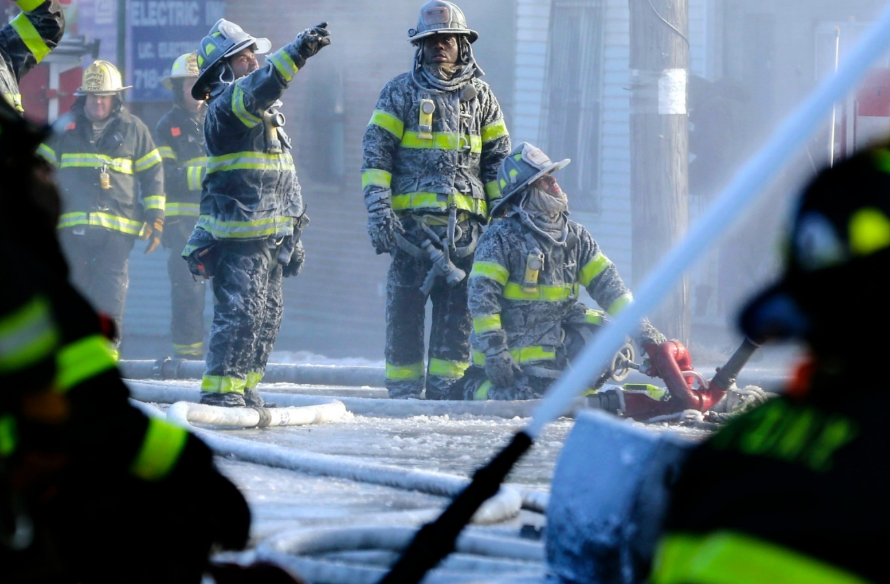
Fire fighters put their lives on the line every shift, facing fires, crashes, and disasters that leave lasting scars. Studies show that up to 30 percent of first responders develop mental health issues like depression or PTSD from the job, according to a 2018 report from the Substance Abuse and Mental Health Services Administration. Chronic pain hits even harder, with many suffering back injuries or burns that nag for years.
Medical cannabis offers a way out for some. It eases pain and calms anxiety without the addiction risks of opioids, which claim thousands of lives each year. Research from the National Institutes of Health notes that cannabis cuts the odds of overdose to zero while still tackling tough symptoms. In Maryland, the medical program started in 2014 and now serves over 100,000 patients with doctor approvals for conditions like PTSD and nerve pain.
Take the case of rescue workers who choose cannabis over pills. It lets them stay sharp and avoid the fog that opioids can bring, which is crucial in emergencies. Jackson argued during the hearing that denying this option forces heroes into risky choices, like skipping treatment altogether.
But it’s not just about pain relief. PTSD rates among fire fighters can reach 13 percent or higher, per a 2017 Centers for Disease Control study on mental health in the field. Cannabis helps many sleep better and manage flashbacks, giving them tools to keep serving their communities.
Pushback Highlights Safety Worries
Not everyone cheered the bill. A rep from the Maryland Association of Counties voiced strong concerns about testing limits. They noted that unlike alcohol, cannabis lacks quick tests for impairment right now. This gap could put teams and the public at risk if someone feels effects during a call.
Opponents worry about the chain of command in tight-knit fire houses. If a leader doubts a worker’s fitness, it might slow responses in critical moments. The bill allows zero-tolerance for on-duty issues, but critics say proving impairment stays tricky without better tech.
Still, supporters fired back with data. The Marijuana Policy Project pointed out in their alert that metabolites in tests do not mean someone is buzzed; they stick around for a month. This mismatch has led to unfair firings in other states, and Maryland risks the same without change.
| Aspect | Medical Cannabis | Opioids |
|---|---|---|
| Addiction Risk | Low, no fatal overdose | High, leads to dependence |
| Impairment Duration | Short, clears fast | Can last hours, clouds judgment |
| Suitability for Fire Fighters | Helps pain and PTSD without fog | Risky for quick reactions needed |
| Overdose Potential | None | Thousands die yearly in U.S. |
This table shows why many see cannabis as a smarter pick for ongoing care.
Road Ahead for the Bill in Maryland
With the Senate hearing wrapped, eyes turn to a vote in the full chamber. A companion bill, HB 797 from Delegate Nana Boateng in the House, mirrors the protections and heads to a hearing on March 4. Backers like the Marijuana Policy Project urge quick action to match other states that already shield workers this way.
Maryland’s cannabis laws have grown since 2014, adding adult-use sales in 2023 to boost the economy. But gaps remain for public safety jobs, where federal rules still clash with state rights. If passed, SB 439 could set a model, showing how to honor service while embracing modern medicine.
Experts predict smooth sailing in the Senate, given last year’s near-win. The House remains the big hurdle, where budget talks might tie in. For now, fire fighters wait, hoping for rules that let them heal without fear.
As this bill fights for life, it spotlights a bigger shift in how we view medical choices for those who save us. These workers deserve every tool to stay strong, from better gear to approved treatments. Imagine a fire fighter finally resting easy after a tough shift, knowing their job is safe.