
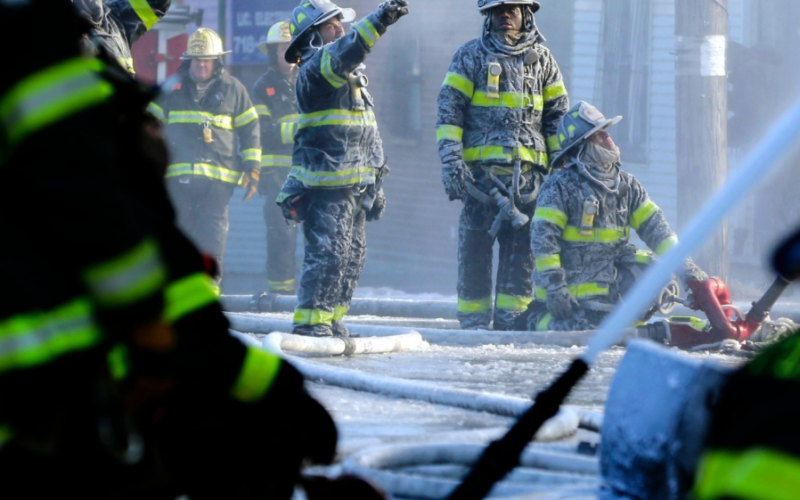
In a bold move for worker rights, a Maryland Senate panel just greenlit a bill that could end penalties for firefighters using medical marijuana off the clock. This comes after last year’s push fell short, sparking hope for real change in how the state treats its first responders. Stay tuned as this story unfolds with big impacts on health and jobs.
The Senate Finance Committee in Maryland took a key step this week by approving SB 439 in a close 6-4 vote on Thursday. Sponsored by Sen. Carl Jackson, a Democrat, the bill aims to protect firefighters and rescue workers from job penalties tied to their legal use of medical cannabis. This approval marks a turning point after similar efforts stalled before.
Lawmakers debated the measure with passion, highlighting the need to support those who risk their lives daily. Firefighters often face chronic pain from their demanding work, and medical marijuana offers relief for many. The vote reflects growing acceptance of cannabis as a valid treatment option in the state.
One short fact stands out here. Maryland legalized medical marijuana back in 2014, but protections for certain professions have lagged.
Building on Last Year’s Near Miss
About a year ago, the full Maryland Senate passed an earlier version of this bill, only for it to hit a wall in the House. That setback left many advocates frustrated but determined to try again. Now, with SB 439 advancing, there’s fresh momentum to bridge that gap.
Sen. Jackson has been a strong voice for this cause, drawing from stories of real firefighters struggling with pain management. He argues that off-duty use should not affect their careers, especially since the state already allows medical cannabis for patients. This renewed push shows how persistence pays off in the legislative arena.
The bill’s progress also ties into broader trends. More states are rethinking drug policies for public safety workers, recognizing that marijuana is not like harder drugs.
What the Bill Would Change for Rescue Workers
If SB 439 becomes law, it would update state rules to shield registered medical cannabis users in firefighting and rescue roles. No longer could employers penalize them for joining the program or for positive drug tests from off-duty use. This core protection could transform lives by removing fear from seeking legal relief.
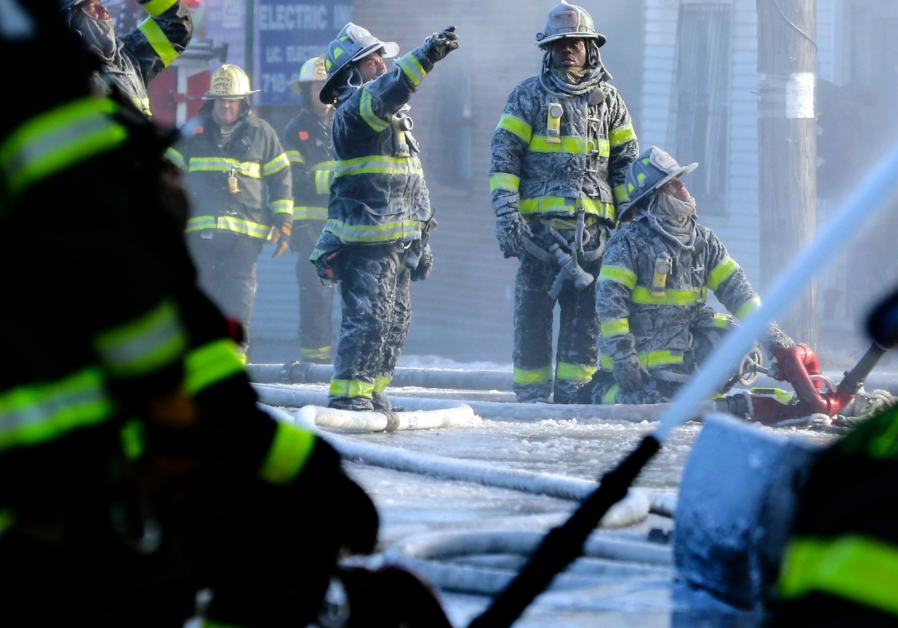
Firefighters deal with intense physical and mental stress, from lifting heavy gear to facing smoke-filled scenes. Many turn to prescription drugs, but medical marijuana provides a natural alternative without the same addiction risks. The bill ensures that testing positive for THC, the key compound in cannabis, won’t lead to discipline or job loss.
Experts note that this aligns with federal shifts too. While marijuana remains illegal at the national level, states like Maryland are carving out exceptions for medical needs.
To break it down simply, here’s how the bill addresses key concerns:
- Protects against firing or demotion for program participation.
- Covers drug tests only for off-duty use, not on-the-job impairment.
- Applies to all registered patients in eligible roles.
This setup gives workers peace of mind while keeping safety first.
Broader Impacts on Maryland’s Cannabis Landscape
Maryland’s medical marijuana program has grown steadily since its start, serving over 100,000 patients by early 2026. But gaps in job protections have held it back, especially for high-risk jobs like firefighting. SB 439 could set a precedent, encouraging similar rules for police or EMTs down the line.
Advocates point to data from the state’s health department, which shows cannabis helps with conditions like PTSD and chronic pain common among first responders. A 2025 study by the Maryland Fire Chiefs Association found that 30% of firefighters reported using medical alternatives to opioids, cutting down on overdose risks.
The economy feels this too. Protected workers might stay on the job longer, reducing turnover costs for fire departments. One department head shared that better pain management leads to fewer sick days and sharper focus during calls.
Yet challenges remain. Opponents worry about any drug use in safety roles, even off duty. They push for strict impairment checks, which the bill already includes.
| Aspect | Current Law | With SB 439 |
|---|---|---|
| Penalties for Participation | Possible job loss | Fully protected |
| Drug Test Results | Can lead to discipline | No penalty for off-duty use |
| Eligible Workers | Limited safeguards | Firefighters and rescuers covered |
| Program Growth | Stagnant in some fields | Boost for adoption |
This table highlights the shift clearly, showing why the bill matters so much.
Path Ahead to Full Approval
For SB 439 to take effect, it must pass the full Senate and then the House, where last year’s version failed. With the session in full swing as of March 2026, timing is tight but possible. Gov. Wes Moore, known for progressive stances, might sign it if it reaches his desk.
Supporters are rallying community backing, from unions to health groups. They’ve held town halls in Baltimore and Annapolis to build awareness. One firefighter testified about how fear of penalties kept him from getting help after a tough injury.
This effort also sparks wider talks on equity. Many first responders come from diverse backgrounds, and access to medical cannabis levels the playing field for pain relief. It addresses how outdated drug laws clash with modern medicine.
In the end, this bill isn’t just policy; it’s about honoring those who serve. As Maryland moves forward, it could inspire other states to follow suit, creating a safer, fairer system for all.
Maryland’s push to protect firefighters from medical marijuana penalties through SB 439 offers real hope for balancing health needs with job security. This story reminds us how small changes can ease big burdens for everyday heroes.