
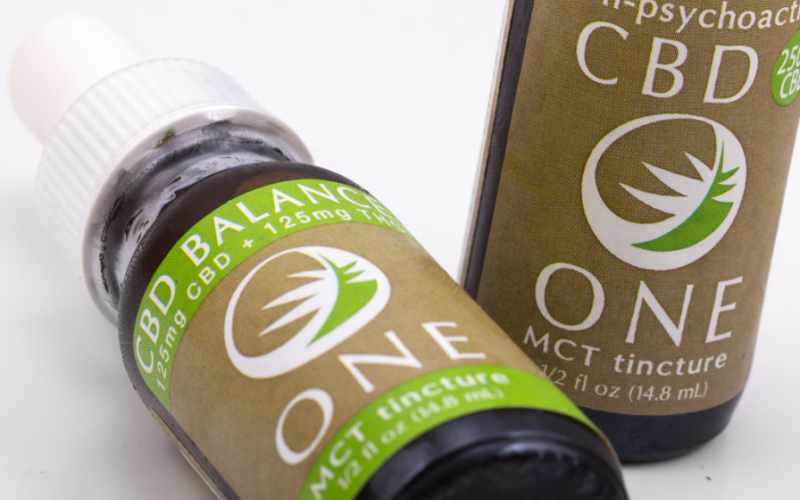
The White House just held its first official meeting with cannabis industry leaders to shape a new federal enforcement policy for CBD products, marking the clearest sign yet that major regulatory change is coming.
On Wednesday, officials from the Office of Information and Regulatory Affairs (OIRA), part of the White House Office of Management and Budget, met remotely with David Heldreth, CEO of Panacea Plant Sciences, a company focused on cannabis research and development. The discussion centered on the Food and Drug Administration’s long-awaited new approach to cannabidiol (CBD) regulation.
This meeting is the first in a series OIRA scheduled after formally announcing its review of the FDA’s pending CBD enforcement policy last month. More stakeholder meetings are already on the calendar.
Why This Meeting Matters Now
The timing could not be more critical.
For six years since the 2018 Farm Bill legalized hemp and CBD derived from it, the industry has operated in legal limbo. The FDA has repeatedly said CBD cannot be sold as a dietary supplement or added to food, yet the agency has largely looked the other way while thousands of products flooded store shelves.
That hands-off approach is ending.
FDA officials have told Congress they are crafting a new risk-based enforcement policy that will decide which CBD products stay on the market and which get pulled. The White House meetings show the Biden administration is now directly involved in deciding the fate of America’s multi-billion-dollar CBD industry.

What Happened in the First Meeting
Heldreth told Marijuana Moment the OIRA officials asked detailed questions about manufacturing standards, testing requirements, and how a new enforcement framework could work in practice.
“They wanted to understand real-world challenges,” Heldreth said after the call. “They were genuinely trying to get this right.”
He pushed for clear labeling rules, strict testing for contaminants, and reasonable THC limits, all designed to protect consumers while keeping legitimate businesses alive.
The meeting lasted about an hour and focused heavily on how to create a system that separates safe, high-quality CBD products from dangerous or mislabeled ones.
The Bigger Picture: A Market in Limbo
Americans spent roughly $5.3 billion on CBD products in 2023, according to Brightfield Group data. Sales are projected to double in the next five years if clear rules finally arrive.
Yet right now, consumers have no guarantee the CBD oil they buy for anxiety or pain actually contains what the label says, or that it is free from heavy metals, pesticides, or too much THC.
The FDA has sent hundreds of warning letters to companies making wild health claims, but enforcement has been scattershot. Many bad actors keep selling, while responsible companies live in fear of sudden crackdowns.
The new policy expected from FDA, now under White House review, will decide whether millions of everyday Americans keep easy access to CBD products they swear by for sleep, pain, and stress.
What Industry Leaders Want vs. What They Fear
Most legitimate CBD companies actually want regulation. They want:
- Clear testing standards
- Reasonable THC limits (0.3% or less)
- Allowed health claims backed by science
- Protection from fly-by-night operators
What they fear is an overly strict policy that bans most products overnight or drives all manufacturing overseas.
A complete crackdown would wipe out thousands of American farms and businesses and push consumers toward unregulated black-market sources, exactly what happened before legalization.
The Road Ahead
More OIRA meetings with other stakeholders are scheduled throughout the coming weeks. After that, the FDA will finalize its enforcement policy and send it to the White House for final approval.
Congress could still step in. Several bipartisan bills that would create a proper regulatory framework for CBD as a dietary supplement have strong support, but none have passed yet.
The outcome of these White House talks will affect:
- Farmers growing hemp across rural America
- Veterans using CBD for PTSD
- Parents giving it to children with seizure disorders
- Corner stores and big chains deciding whether to keep CBD on shelves
For the first time since hemp became legal, the federal government is seriously grappling with how to regulate one of the fastest-growing wellness products in the country.
The decisions made in these closed-door meetings over the next few months will shape what CBD looks like in America for decades to come.