

Federal health officials cleared the way for Medicare Advantage plans to cover select hemp products, marking a sharp turn from last year’s full ban on cannabis items. This change targets extra benefits for the nation’s chronically ill seniors, potentially easing nutrition gaps amid rising costs. Plans can now offer legal hemp seeds and oils starting next year, but only if they pass strict health checks.
The Centers for Medicare and Medicaid Services finalized updates this week to its massive Medicare Advantage program. The rule, due in the Federal Register on Monday, tweaks what counts as off-limits extras for sick patients.
In April 2025, CMS slammed the door on all cannabis products in these perks. Now, the agency draws a fine line. Only items illegal under state or federal rules stay banned. Legal hemp products slip through, giving plans fresh tools to help enrollees.
This fix stems from the 2018 Farm Bill. That law set hemp apart from marijuana by capping THC at 0.3 percent. CMS wants rules to match real laws, not block safe options.
One short note stands out. The shift applies to 2027 coverage bids. Seniors pick plans in fall, so changes hit January 1.
What Hemp Products Make the Cut
Not every hemp item qualifies. CMS points to three standouts backed by FDA safety nods.
Here are the greenlit options:
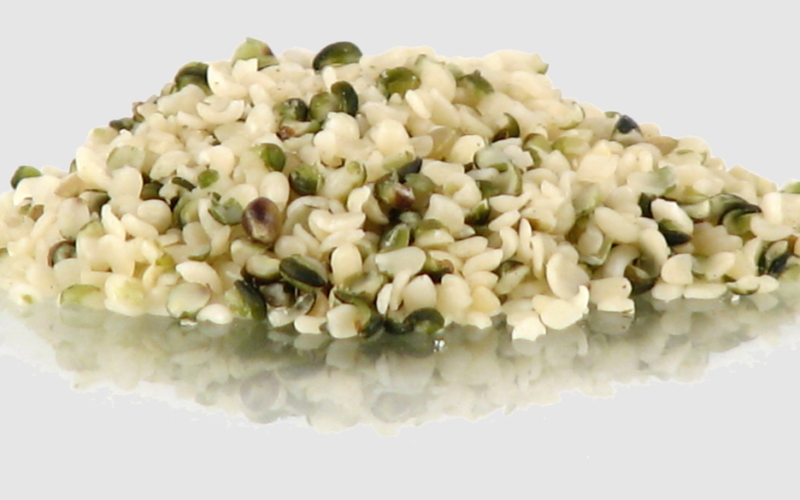
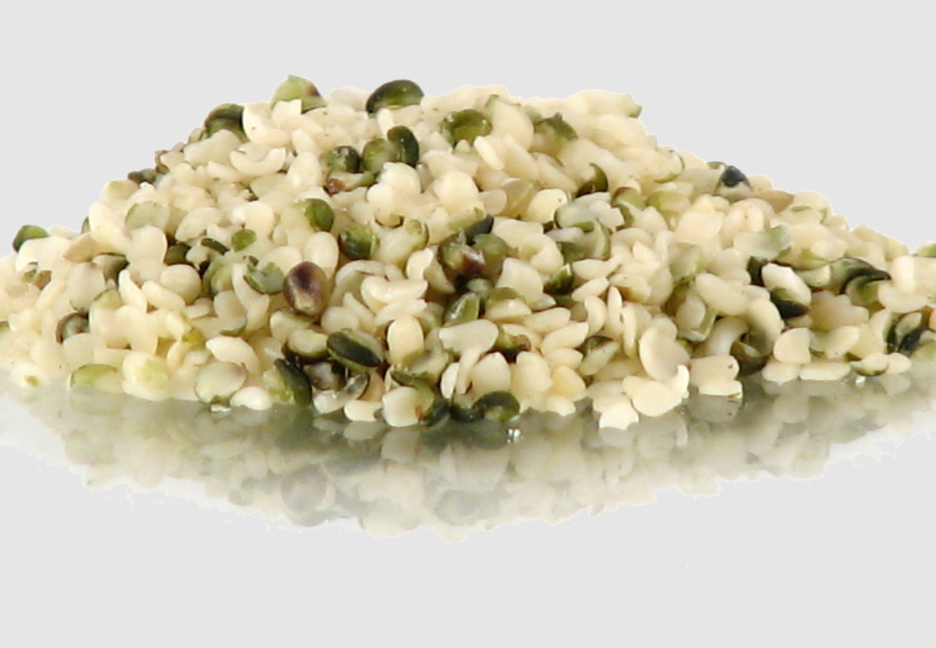
- Hulled hemp seed
- Hemp seed protein powder
- Hemp seed oil
Plans must prove these boost health or function. Hemp protein powder shines here with solid nutrition facts. Think protein, healthy fats, and minerals for weak diets.
But watch state rules. If a state outlaws federally okay hemp, plans skip it there. Drugs like Epidiolex stay in standard drug coverage, not these extras.
Prohibited stuff includes high-THC marijuana or sketchy synthetics. A new federal tweak next November tightens hemp rules further, capping total THC at 0.4 milligrams per package.
SSBCI Basics for Chronically Ill Seniors
Special Supplemental Benefits for the Chronically Ill, or SSBCI, pack Medicare Advantage plans. These cover 35 million people, over half of all Medicare folks as of early 2026.
SSBCI targets the sickest. Enrollees need multiple chronic woes, high hospital risk, and heavy care needs. Plans post clear rules online now for fairness.
Past perks included gym memberships or meal kits. Hemp fits as non-health add-ons with real upside. This rule demands proof, like studies, before listing items.
Usage stays spotty. Many plans offer SSBCI, but few seniors grab them due to red tape or unaware docs.
Plans face new hurdles too. Debit cards for perks need real-time checks to stop waste. All builds trust in a program serving millions with diabetes, heart issues, or cancer.
Why Now and What Stays the Same
CMS eyed this fix last fall. Public comments pushed for wider hemp access, citing pain relief or cost savings. The agency stuck firm: no role in judging weed meds.
Rescheduling marijuana to Schedule III last year? It helps little alone. Products still need FDA okay and state nods.
The big rule packs more. It streamlines drug costs under the Inflation Reduction Act and tweaks quality scores. Hemp sits small amid these shifts.
Seniors win subtle gains. Hemp seeds cost pennies versus pricier supps. For shut-ins or low-income folks, free access fights malnutrition.
Experts see ripple effects. As evidence grows on cannabinoids, doors crack open. But full CBD coverage? Not yet.
This quiet pivot promises real aid without fanfare. Chronically ill Americans face daily battles with pain and frailty. Hemp coverage offers nutrition hope at no extra cost through trusted plans. It spotlights smarter rules matching science and law.