

Millions of Americans are turning to CBD as a go-to option instead of traditional drugs, especially for pain. A fresh study shows that about one in three people who have tried CBD use it to replace or add to meds like painkillers. This shift highlights a growing trust in this plant-based compound amid rising health concerns.
The new research from the University of California, San Diego paints a clear picture of how CBD has taken off since hemp became legal in 2018. Over 35 percent of US adults, or roughly 90.8 million people, say they have used CBD at least once in their lives. That’s a big jump, driven by its non-intoxicating nature and easy access in stores and online.
This study drew from a national survey of more than 1,500 adults, weighted to match the US population. Conducted in late 2023, it captured trends right as CBD products flooded the market. Past-year use stands at 21.8 percent, showing many folks keep coming back for it. Women and younger adults lead the pack, but it’s spreading to all groups.
Experts point to word-of-mouth and media buzz as key drivers. In states with strict drug laws, people seek CBD for its calm effects without the high. This broad appeal makes CBD a hot topic in everyday health chats.
Why CBD Beats Out Common Medications
People choose CBD over pills for simple reasons: it feels natural and sidesteps harsh side effects. The survey found that 32 percent of CBD users take it as a stand-in or add-on for at least one regular medicine. Adjunct use, where folks pair it with drugs, tops the list at 24.2 percent, while full swaps happen in 11 percent of cases.
Pain relief drives most switches. Musculoskeletal issues like joint and back pain top the conditions at 10.1 percent. Anxiety follows at 7.4 percent, and general aches at 6.8 percent. Users often cite experimentation as the spark, with 84 percent trying it out of curiosity.
Here’s a quick look at top reasons users give for picking CBD:
- Desire for a natural option to avoid big pharma ties.
- Fear of addiction from stronger meds like opioids.
- Fewer side effects compared to daily pills.
- Doctor nods in some cases, though only 6.5 percent get that advice.
This trend hits home for many dealing with chronic pain. One user noted wanting a calming boost without extra doses of risky drugs. Such stories show how CBD fits into real lives, offering hope where pills fall short.
Common Ways Americans Take CBD
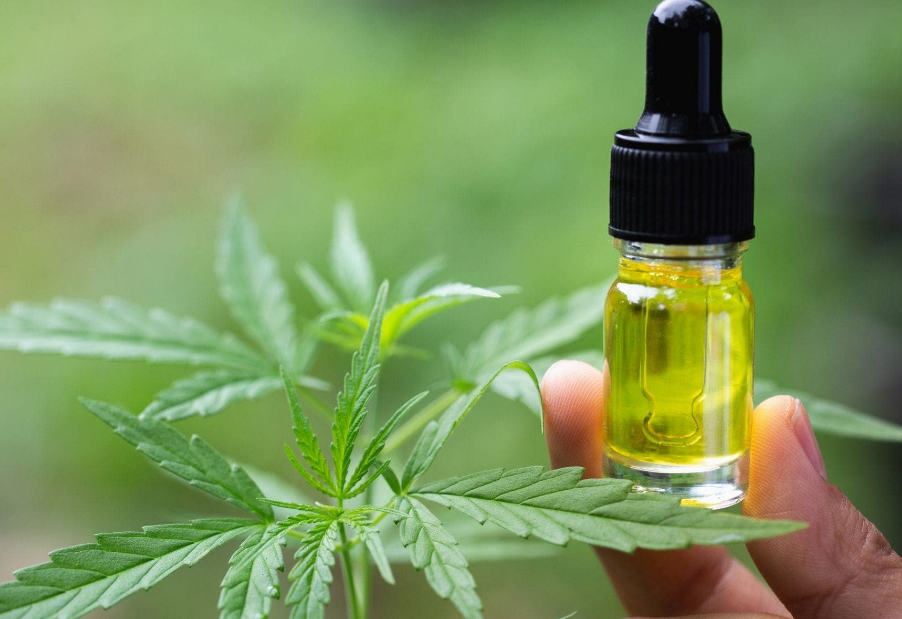
CBD comes in many forms, making it easy to fit into daily routines. Topicals lead at 26 percent, perfect for sore spots like knees or shoulders. Edibles follow close at 25.2 percent, ideal for on-the-go relief. Tinctures and oils make up 14.6 percent, while joints sit at 13.1 percent for those who prefer inhaling.
Doses vary, but many stick low. About 15.6 percent take 1 to 10 milligrams a day, and 19.3 percent admit they don’t track it closely. Full-spectrum products, which include other cannabinoids, appeal to 20.6 percent for broader effects.
Frequency keeps it casual for most. Nearly 40 percent have used it just 2 to 10 times ever, and 33.1 percent hit it 2 to 30 days in the past year. Only 9 percent go heavy with 100-plus days. This light touch reduces risks but also limits deep insights into long-term perks.
Product confusion lingers, though. Half of users don’t know if their CBD is isolate or full-spectrum, raising calls for better labels.
Key Medications Swapped for CBD
Painkillers dominate the shift, with over-the-counter options leading the way. The study breaks it down clearly.
| Medication | Percentage of Ever CBD Users | Confidence Interval |
|---|---|---|
| Ibuprofen | 4.8% | 3.6–6.3% |
| Tylenol | 3.9% | 2.8–5.3% |
| Generic Pain Meds | 2.9% | 2.0–4.2% |
| Gabapentin | 1.4% | 0.8–2.3% |
| Advil | 1.2% | 0.7–2.1% |
Ibuprofen and Tylenol stand out as the most common targets, used by nearly 5 percent and 4 percent of CBD users respectively. These swaps target everyday pains from workouts to arthritis. Gabapentin, often for nerve pain, sees less but notable action at 1.4 percent.
Anxiety meds trail at 1.1 percent, showing CBD’s role in mental health too. Users avoid dependence, with 16.9 percent fearing overdose from options like oxycodone. This data, from open responses coded by experts, reveals patterns in real-world choices.
Broader stats back this up. A 2026 report from market watchers shows CBD sales hitting 4.17 billion dollars, up from 108 million in 2014. Per person spending rises, especially among those over 21 seeking alternatives.
Safety Concerns and What Lies Ahead
While benefits draw crowds, questions about safety persist. Only 2.4 percent report issues like headaches or nausea from CBD. But hidden risks lurk, like interactions with blood thinners or liver strain from high doses. Since 82 percent don’t tell doctors, gaps in care widen.
The FDA approves CBD only for rare epilepsy, leaving most uses untested. Yet, low adverse reports suggest caution over panic. Researchers urge better studies on dosing and quality to guide users.
This news touches everyone facing pain or stress. It offers a path to cut reliance on pills that burden wallets and bodies. As laws evolve, clearer rules could boost safe access.
In wrapping up, this study spotlights a quiet revolution in how Americans handle health woes, with CBD stepping up as a trusted ally against pain and anxiety. It brings hope for natural relief but reminds us to stay informed amid uncertainties.