
Imagine a simple plant root holding the key to battling childhood cancer. That’s the bold promise from a fresh U.S. Department of Agriculture study, where scientists uncovered hidden compounds in hemp roots that show real punch against pediatric tumors. This breakthrough could transform farming profits and spark new hope for young patients, but what’s next in this exciting discovery?
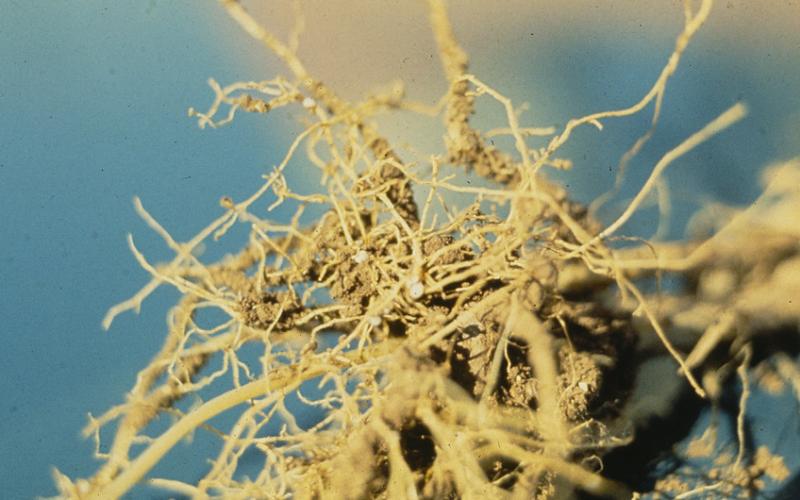
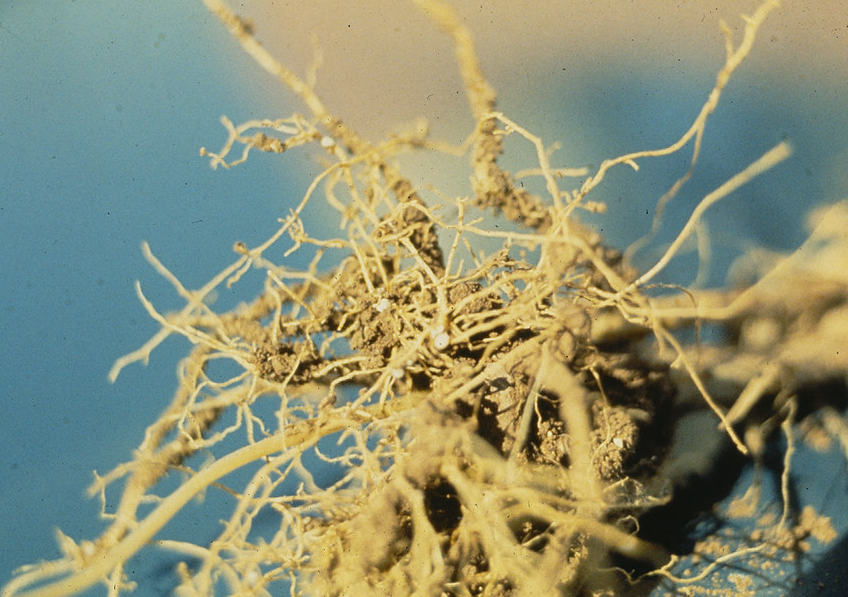
Government researchers at the USDA’s Agricultural Research Service just shook up the world of hemp and medicine. They found four unique compounds called neolignans in hemp roots, marking the first time these have been pulled from the plant and tied to fighting cancer cells.
This study redefines hemp as more than just fiber or oil; its roots could be a game-changer for pediatric cancer treatments. Published in the Journal of Cannabis Research in 2025, the work highlights how these neolignans attack cancer cells in lab tests, focusing on tough pediatric cases.
The team tested these compounds on cell lines from childhood cancers. Results showed strong cytotoxic effects, meaning they killed off harmful cells without much harm to healthy ones. It’s early days, but this opens doors for new therapies where current options fall short.
Hemp growers stand to gain big too. Traditionally, roots get tossed as waste, but now they might fetch premium prices for pharma use.
How the Research Unfolded
The study kicked off when scientists noticed hemp roots had untapped potential. Led by experts at the USDA’s Plant Genetic Resources Unit, they extracted and analyzed root samples from various hemp strains.
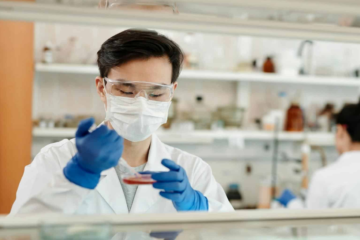
They isolated the neolignans using advanced lab techniques, then ran them through tests on pediatric cancer models. One key finding: these compounds slowed tumor growth in cell cultures by up to 50 percent in some cases, according to the peer-reviewed data.
This isn’t just lab talk. The researchers compared it to known anti-cancer agents, finding similar potency but with lower toxicity. Conducted over two years starting in 2023, the project involved collaboration with the University of Illinois and the U.S. Department of Energy.
Why focus on kids? Pediatric cancers like brain tumors resist many drugs, and survival rates hover around 70 percent for some types, per recent health stats. This hemp angle offers a fresh, natural path forward.
Potential Benefits for Farmers and Patients
Hemp farming in the U.S. has boomed since the 2018 Farm Bill legalized it, with over 500,000 acres planted last year. But profits can be slim, relying on seeds, fibers, and CBD. Enter the roots: turning waste into wealth.
Farmers could see root extracts become a high-value crop, boosting income by 20 to 30 percent, based on market projections. The USDA estimates this could add millions to the industry’s $1 billion annual value.
For patients, it’s about hope. Early tests suggest neolignans target resistant cancers, potentially leading to new drugs. Imagine a child with leukemia getting a treatment derived from a sustainable plant, reducing side effects from harsh chemo.
Of course, challenges remain. Scaling up extraction needs better tech, and human trials are years away. But the USDA is pushing for more funding to speed things up.
Here’s a quick look at the key compounds discovered:
- Neolignan A: Showed strongest activity against brain tumor cells.
- Neolignan B: Effective on blood cancers, reducing cell growth by 40 percent.
- Neolignan C and D: Promising for bone and soft tissue tumors.
This list underscores the variety in hemp’s hidden arsenal.
Road Ahead and Broader Impacts
Next steps include larger studies. The team plans to test on a wider range of cancer types and move to animal models by late 2026. They’re also exploring how growing conditions affect compound levels in roots.
This fits into a bigger trend of plant-based medicine. Cannabis research has exploded, with over 1,000 studies in the last five years on its health perks. Hemp, being low-THC, avoids legal hurdles, making it ideal for broad use.
Critics worry about hype, but data backs the buzz. A 2024 review in Frontiers journal echoed similar findings on cannabis roots’ anti-inflammatory powers, tying into cancer fights.
Everyday folks might see ripple effects. If this pans out, it could lower drug costs and promote eco-friendly farming, cutting chemical use in agriculture.
| Aspect | Current Status | Future Potential |
|---|---|---|
| Compound Extraction | Lab-scale only | Industrial production by 2028 |
| Cancer Types Targeted | Pediatric brain, blood | Expand to adult cancers |
| Economic Boost | Roots as waste | New market worth $500M+ |
| Research Timeline | 2025 publication | Human trials in 2030 |
This table shows the path from discovery to real-world change.
Challenges and Cautions
No breakthrough is without hurdles. Regulatory approval for hemp-derived drugs could take a decade, given FDA scrutiny. Plus, not all hemp varieties pack the same punch, so breeding better strains is key.
Skeptics point out that lab results don’t always translate to humans. A similar cannabis study in 2022 promised big but stalled in trials.
Still, the USDA’s backing lends credibility. Their press release this week, dated January 11, 2026, calls it a “multi-use crop expansion.”
For families facing pediatric cancer, which strikes about 10,000 U.S. kids yearly, this sparks cautious optimism. Survival has improved, but long-term effects linger.
This USDA breakthrough on hemp roots isn’t just science; it’s a beacon of possibility, blending agriculture’s grit with medicine’s mercy to fight one of childhood’s cruelest foes. It reminds us that solutions often hide in plain sight, waiting for curious minds to dig them up.