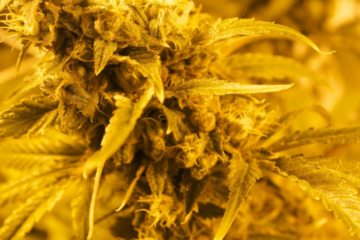


Wisconsin’s race for governor is heating up, with Democratic hopefuls boldly linking marijuana legalization to fixing the state’s spotty internet access. As voters gear up for the 2026 election, candidates like Francesca Hong are promising cannabis cash to wire up rural areas. But will this plan light up support or go up in smoke?
The push for legal weed in Wisconsin gained steam at a recent candidate forum. State Rep. Francesca Hong fired up the crowd by suggesting marijuana taxes could bankroll broadband expansion. She said the revenue would pour into fiber optic lines and high-speed connections for companies statewide.
This idea isn’t new, but it’s grabbing headlines now. With Gov. Tony Evers stepping aside after two terms, the open seat has drawn a crowd of contenders. Most Democrats at the forum nodded along to Hong’s pitch, seeing it as a smart way to tackle a nagging problem.
Hong’s words hit home: “Legalize weed. The revenue that comes in will be able to invest in fiber optic and high-speed internet in many different companies across the state.” That simple line summed up a growing consensus among her party rivals.
Broadband gaps plague Wisconsin, especially in rural spots. Federal funds have helped some, but demand outstrips supply. Candidates argue legal pot could fill that void without hiking other taxes.
One contender, former state economic development chief Missy Hughes, echoed the call. She jumped into the race last month, touting her business chops from a dairy cooperative background. Hughes sees cannabis as a revenue booster for tech upgrades that could spark economic growth.
Republican Views and Election Landscape
Not everyone’s on board. GOP candidate U.S. Rep. Tom Tiffany, a Trump loyalist from the north woods, entered the fray in September. He didn’t outright bash legalization at the forum, but his focus leaned toward other issues like data centers and AI.
Tiffany’s entry makes this the first open governor’s race in 15 years. He’s one of the few Republicans in so far, facing a packed Democratic field. Polls show Wisconsin as a swing state, so every policy pitch counts.
The forum, held just days ago, covered hot topics beyond weed. Candidates sparred over ties to President Trump and tech’s role in the economy. Yet marijuana kept popping up as a funding fix.
Here’s a quick look at key players:
- Francesca Hong: Democratic state rep, pushing bold ideas like pot-funded internet.
- Missy Hughes: Ex-economic director, focusing on business growth.
- Tom Tiffany: Republican congressman, emphasizing rural needs.
Other Democrats have floated similar plans, tying cannabis to public programs. This could sway young voters and those tired of slow internet in a state where broadband requests far exceed available grants.
Why Broadband Matters in Wisconsin
Wisconsin lags in high-speed internet access, with rural areas hit hardest. A 2023 report from the Wisconsin Technology Council showed grant requests five times higher than funding. Gov. Evers has blasted Republicans for rejecting his $750 million plan, leaving zero state dollars for expansion.
Federal aid has stepped in. The Biden administration’s infrastructure law sent $1 billion to Wisconsin for broadband, backed by Democrats like Sen. Tammy Baldwin. She highlighted how it includes Buy America rules, boosting local jobs.
Still, gaps remain. Candidates say legalizing marijuana could generate steady revenue. A Marquette University poll from earlier this year found 64% of Wisconsinites support legalization, up from past surveys.
That public backing gives Democrats ammo. They point to neighboring states like Michigan, where cannabis sales topped $3 billion last year, per state data. Wisconsin could tap into that market, keeping tax dollars at home instead of flowing across borders.
One short take: Legal weed isn’t just about recreation; it’s a tool for real fixes.
Experts warn of hurdles. Legalization needs legislative buy-in, and Republicans control the assembly. Plus, federal laws still classify marijuana as illegal, complicating banking and sales.
Challenges and Broader Impacts
Pushing this plan won’t be easy. Opponents worry about social costs, like increased use among youth or road safety. But supporters counter with studies showing regulated markets cut black market activity.
A 2024 analysis by the nonpartisan Legislative Fiscal Bureau estimated Wisconsin could rake in $166 million annually from cannabis taxes within a few years. That’s based on sales projections and rates in states like Illinois.
How would it affect everyday folks? Rural families could finally stream classes or run home businesses without buffering. Small towns might attract more residents and jobs.
The race heats up with primaries set for August 2026, followed by the general election in November. Candidates are already campaigning hard, from Madison to the north woods.
In a state divided politically, this issue bridges gaps. Even some conservatives warm to the economic upside, per forum chatter.
Here’s a simple breakdown of potential cannabis revenue uses:
| Area | Estimated Funding Boost | Impact |
|---|---|---|
| Broadband | $50-100 million/year | Connect 100,000+ homes |
| Education | $30 million/year | School tech upgrades |
| Health | $20 million/year | Addiction programs |
This table draws from fiscal estimates, showing how funds might spread.
Voters will decide if this fresh approach takes root.
As Wisconsin heads into this pivotal election, candidates betting on marijuana to fund broadband could reshape the state’s future. It’s a bold move that taps into public frustration over slow internet and taps a lucrative new revenue stream. This isn’t just politics; it’s about connecting people in a digital age where access means opportunity.