
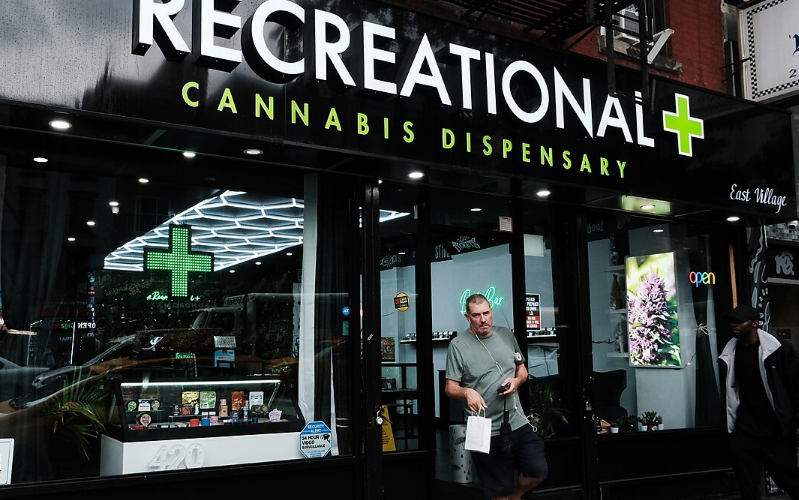
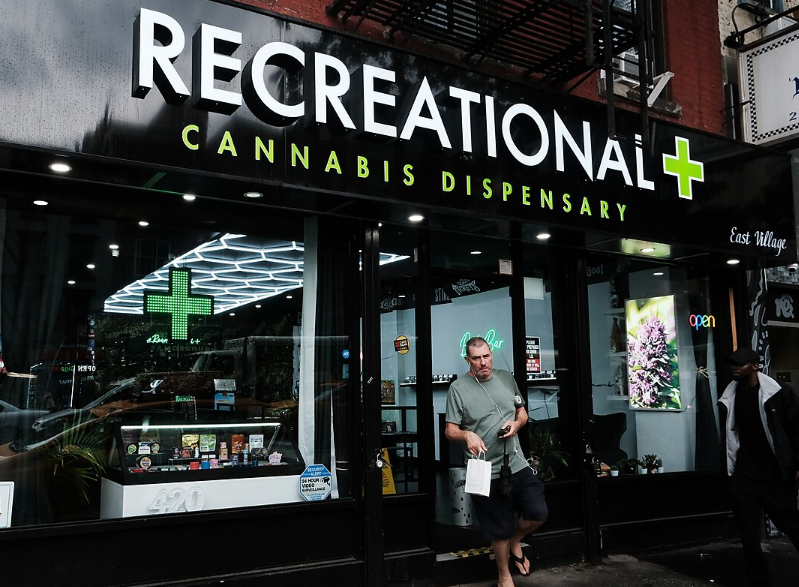
Governor Kathy Hochul just signed a new law that rescues more than 150 legal cannabis stores across New York State from forced shutdowns. The move fixes a measurement mistake that put many licensed retailers too close to schools and churches under old rules.
For months, owners lived in fear. State regulators sent letters last year telling dozens of shops they had been licensed by mistake. The problem came down to how distance was measured. Rules said dispensaries must sit at least 500 feet from school entrances and 200 feet from places of worship, but early approvals used property lines instead of door-to-door measurements. When officials re-measured, many stores suddenly broke the rules.
More than 150 licensed businesses faced losing everything overnight. Some had already spent millions on build-outs and inventory. The threat created chaos in an industry still trying to find its feet after adult-use sales began in late 2022.
Hochul Steps In with Quick Fix
On Wednesday, Hochul put her signature on two bills that change everything. The new law keeps the old distance rules for brand-new applicants but grandfathers in every shop that already holds a valid license. Current stores now only need to be 200 feet away from schools and religious sites no matter how you measure it.
The change is immediate. Regulators stopped all enforcement actions the moment Hochul signed. Store owners who expected closure notices this fall can now stay open and keep paying rent, taxes, and staff.
Why the Rules Existed in the First Place
Lawmakers wrote the original buffers in 2021 to calm worried parents and church leaders. They feared kids would walk past pot shops on the way to class or youth group. Critics said the strict zones pushed legal stores into industrial areas far from customers and gave illegal sellers the best corners.
New York City felt the squeeze hardest. Dense neighborhoods made it almost impossible to find spots that met both distance rules at once. Some approved locations later turned out to sit 480 feet away instead of 500 when officials used a tape measure from door to door.
Winners and Losers After the Fix
Licensed retailers celebrate the lifeline. Many spent the last year fighting in court or begging regulators for mercy. Now they can focus on growing sales instead of packing boxes.
- Existing shops stay open with no changes needed
- New applicants still face the original strict rules
- Illegal storefronts keep operating with no license at all
That last point angers legal owners the most. While they jumped through years of paperwork and paid millions in fees, thousands of unlicensed smoke shops sell cannabis openly with almost no consequences.
What Happens Next for New York Weed
State officials say the grandfather clause only solves the short-term crisis. They still plan major crackdowns on illegal sellers this fall. Hochul doubled funding for enforcement teams that padlock storefronts and seize products.
Retailers hope the saved locations will finally let them turn a profit. Most licensed stores lose money each month because there are still fewer than 200 legal shops for 19 million people. New Jersey, right across the river, already has more than 150 stores for a much smaller population.
The rescue buys time for everyone. Owners get to keep their dreams alive. Regulators avoid the public relations mess of closing legal businesses while illegal ones thrive. And customers keep nearby options instead of driving hours or buying from street dealers.
This single stroke of the pen shows how fast New York’s cannabis market can still shift. One day owners prepared to shut doors forever. The next day they opened for business as usual, grateful for a second chance they never expected.