

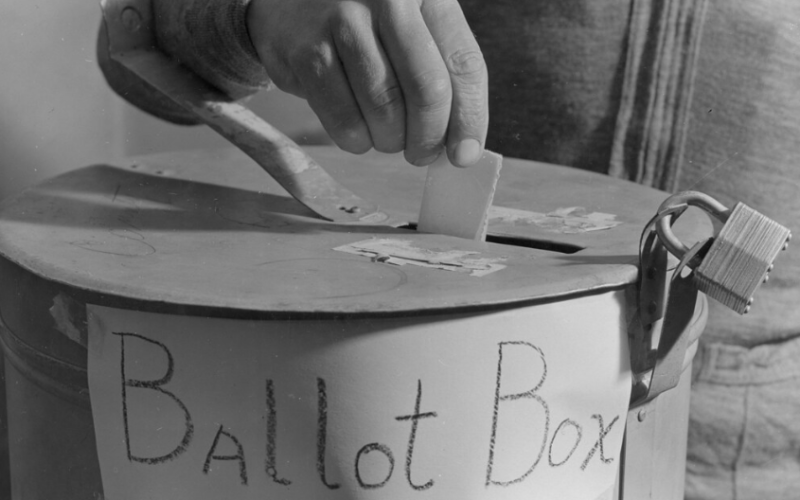
Four brave cannabis business owners in Massachusetts just fired the first shot in court to stop a dangerous push to undo voter-approved weed sales. They say the repeal plan breaks the state Constitution and tricks voters. This lawsuit could save thousands of jobs and a booming industry from collapse.
The fight landed in the Supreme Judicial Court this week. Owners from the state’s social equity program lead the charge. They fear the ballot question will wipe out their dreams and livelihoods built since voters said yes to recreational pot in 2016.
Cannabis Owners Take Bold Stand in Court
Owners of four shops filed suit on Tuesday against top state officials. Caroline Pineau runs Stem in Haverhill, the city’s first cannabis store since 2020. Gyasi Sellers heads Treevit in Athol. Lisa Mauriello and Boey Bertold own Paper 4 Crane Provisions in Hubbardston.
Each got big grants from the Social Equity Trust Fund. Stem alone pulled in $800,000. These funds help folks hit hard by past drug wars enter the legal market. Lawyers from Vicente say the repeal hits too many unrelated rules at once.
The suit names Attorney General Andrea Campbell and Secretary of State William Galvin as defendants. It asks the court to kill the petition before it reaches voters in November.
Lawsuit Hits Hard on Constitution Flaws
The core claim blasts the ballot question for mixing too many unrelated ideas. It repeals recreational sales but also guts social equity programs, changes medical weed rules, ends local town control over shops, drops public use bans, and more. Voters cannot pick and choose, the suit argues. This logrolling tricks people into all or nothing.
One key example: A voter might want no rec sales but keep equity grants for Black and Latino owners. No way to vote that under this package. The title “An Act to Restore a Sensible Marijuana Policy” hides the mess, lawyers say.
The attorney general’s summary falls short too. It skips over a dozen big impacts like lost local say on stores. Campbell certified it last fall, but plaintiffs call that a mistake.
One sentence sums the outrage. The plan amounts to an unlawful government grab that kills investments made in good faith.
Repeal Drive Faces Tough Road Ahead
The Coalition for a Healthy Massachusetts drives the repeal. They turned in signatures last year and cleared early hurdles. A state panel shot down fraud claims in January despite reports of misleading tactics at stores.
Polling showed nearly half of signers felt duped. Some heard it tied to schools or housing, not pot. Still, the group pushes on. Funded by $1.5 million from national anti-pot outfit Smart Approaches to Marijuana.
Lawmakers grilled them last month. The Joint Committee on Initiative Petitions heard doubts. The group has until May 5 for legislative action. If no, they need 12,429 more certified signatures by July 1 for the ballot.
Spokeswoman Wendy Wakeman calls the suit odd. She says business owners fear letting voters decide on legal weed.
Huge Stakes for Jobs, Taxes, and Fair Play
Massachusetts cannabis hit records last year. Sales topped $1.65 billion in 2025, up from prior years. Total since 2018: over $9 billion. Taxes brought in $265 million in fiscal 2025 for schools, roads, and more.
About 800 licensed shops thrive statewide. They employ tens of thousands, with one estimate at 14,000 direct jobs. A Cannabis Control Commission report shows 84 percent of users buy from legal spots, safer than streets.
Repeal would end that overnight. Black market dealers gain, no ID checks or taxes paid. Equity owners suffer most. The trust fund gave out $50 million since 2024, $28.8 million last month alone.
Here is a quick look at sales growth:
| Year | Adult-Use Sales (Billions) | Tax Revenue (Millions) |
|---|---|---|
| 2023 | 1.5 | 240 |
| 2024 | 1.6 | 255 |
| 2025 | 1.65 | 265 |
- Job losses: 14,000 gone, hitting families in this tough economy.
- Tax hit: Hundreds of millions vanish for public needs.
- Equity wipeout: Programs for past victims erased.
- Safety drop: Street sales rise with no rules.
Pineau blasts it as cruel. “This out-of-state push destroys 800 tax-paying businesses and throws people out of work,” she said. “It hands control to dealers who skip IDs and taxes.”
Towns lose power over local shops too. Medical weed stays, but rec rules mix in ways that hurt everyone.
This battle tests voter will from 2016, when 62 percent backed Question 4. Legal pot cut arrests and built a fair market. Repeal risks it all for old bans that failed before.
The Supreme Judicial Court now weighs if this petition flies. A win for owners keeps the industry safe. Loss sends shockwaves through a sector that changed lives.
As this drama unfolds, Massachusetts stands at a crossroads. Voters built a regulated powerhouse that pays taxes, creates jobs, and fixes past wrongs. A repeal would shatter that progress, boost illegal sales, and betray equity dreams. Thousands rely on this market amid rising costs. Picture families losing steady paychecks and communities missing tax dollars for kids’ schools.