
NEWS
Ted Cruz Defends Hemp THC in Groundbreaking Senate Cannabis Vote

In a stunning twist during a heated Senate session, Texas Republican Senator Ted Cruz broke ranks with most of his party to vote for keeping hemp-derived THC products legal at the federal level. This marked the Senate’s first-ever standalone roll call vote on cannabis issues, spotlighting a fierce debate over a potential nationwide ban. But why did Cruz take this stand, and what does it mean for the booming hemp industry?
The Senate vote unfolded on November 11, 2025, amid efforts to end a record-long government shutdown that started on September 30. Lawmakers bundled the cannabis measure into a broader spending bill, aiming to resolve funding disputes. The amendment, pushed by Senator Rand Paul and supported by Cruz, sought to strip language that would ban most hemp products containing detectable THC levels.
Despite backing from Cruz, Paul, and about two dozen Democrats, the effort failed. Only two Republicans voted yes, while the rest joined most Democrats to advance the bill with the ban intact. The provision changes the federal definition of hemp, outlawing products with more than 0.3% THC or above 0.4mg per serving. This could wipe out a multibillion-dollar industry that exploded after the 2018 Farm Bill legalized hemp.
The vote came after intense lobbying from hemp businesses, which argued the ban overrides state laws in places like Texas, where such products remain legal. Industry groups warned of massive job losses and market chaos if the ban takes effect in late 2026.
Critics, including some senators, called it a loophole closer that protects public health by curbing unregulated intoxicating products.
Cruz’s Surprising Stance and Explanation
Ted Cruz explained his vote by stressing states’ rights, saying he believes regulation of hemp and marijuana should stay with individual states, not the federal government. In a statement posted on X shortly after the vote, Cruz clarified he sided with Paul to remove the federal prohibition, allowing each of the 50 states to decide for themselves. He noted that a blanket ban disempowers voters and overrides local choices.
This position surprised many, given Cruz’s conservative record. Yet, it aligns with his past views on federalism. For instance, back in 2016, during his presidential run, Cruz said states should have the right to legalize weed without federal interference.
Cruz’s vote also reflects Texas-specific concerns. Just months earlier, in July 2025, a Texas Senate committee advanced a bill to ban all THC-containing hemp products, but it faced pushback after Governor Greg Abbott vetoed a similar measure. Hemp businesses in the state recently defeated a local ban, highlighting the economic stakes.
One key factor in Cruz’s decision might be the industry’s growth. A 2023 report from the Hemp Industries Association showed the U.S. hemp market hit $28 billion, with THC products making up a big chunk. Cruz argued that federal overreach could crush this sector without addressing real safety issues.
Broader Impacts on the Hemp Industry
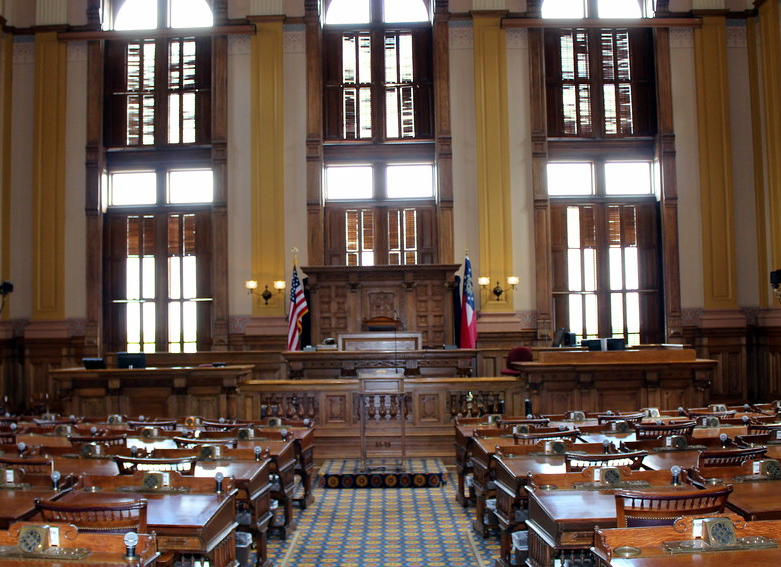
The Senate’s decision sets up a potential clash in the House, where final passage is expected soon. If the ban survives, it would override regulations in 23 states that allow higher THC levels in hemp products. This move could end sales of popular items like delta-8 THC gummies and drinks, forcing businesses to pivot or shut down.
Industry leaders expressed outrage. The U.S. Hemp Roundtable, a key advocacy group, called the ban a “devastating blow” in a statement released hours after the vote. They pointed to a 2024 study by Whitney Economics, which estimated that intoxicating hemp products generate over $12 billion annually and support 280,000 jobs nationwide.
Here’s how the ban could affect key areas:
- Consumer Access: Everyday users of low-THC hemp for pain relief or relaxation might lose options, pushing them toward black-market alternatives.
- State Economies: Places like Kentucky, a hemp powerhouse, could see farms struggle. Senator Mitch McConnell, who championed the 2018 legalization, has stayed silent on this reversal.
- Legal Battles: Experts predict lawsuits, arguing the ban violates the 10th Amendment by forcing states to mirror federal policy, as ruled in the 2018 Supreme Court case Murphy v. NCAA.
On the flip side, supporters like Senator John Cornyn, also from Texas, backed the ban to close what they see as a dangerous gap. Cornyn highlighted risks from untested products, citing FDA warnings about potential health hazards.
A table below breaks down the vote’s basics:
| Aspect | Details |
|---|---|
| Date | November 11, 2025 |
| Yes Votes | 2 Republicans, ~24 Democrats |
| Outcome | Amendment failed; ban advances |
| Effective Date | Late 2026 |
| THC Limit | 0.3% or 0.4mg per serving |
This data comes from Senate records and highlights the partisan divide.
Political Ripples and Future Outlook
Cruz’s vote could signal shifting GOP views on cannabis. While most Republicans supported the ban, figures like Paul have long pushed for less federal control. A 2025 Gallup poll found 70% of Americans favor marijuana legalization, up from 50% a decade ago, pressuring politicians to adapt.
The debate ties into larger issues like the opioid crisis. Cruz has worked on bills targeting street drugs like “tranq,” a deadly mix of xylazine and fentanyl. In June 2023, the Senate passed his bipartisan measure to classify tranq as a controlled substance, showing his focus on harm reduction.
Looking ahead, advocates hope the House might amend the bill. Senator Paul has teased a last-ditch plan to fight back, though details remain scarce.
The hemp ban’s passage amid a shutdown deal underscores how cannabis policy often gets tangled in unrelated fights. It started as a “loophole closer” in a July 2025 committee push by a GOP senator who helped legalize hemp in 2018.
This story hits home for many Americans, from farmers facing uncertainty to consumers worried about product availability. It raises questions about federal power versus state autonomy in a divided nation.
In the end, Ted Cruz’s bold vote to protect hemp THC products shines a light on the ongoing tug-of-war over cannabis in America, blending economic interests with personal freedoms. As the bill heads to the House, the industry’s fate hangs in the balance, reminding us that one senator’s stand can spark nationwide change.

DOJ Slams Drug Testers Over Marijuana Rescheduling Fight

U.S. Feds Admit Marijuana Safer Than Alcohol at DEA Hearing

Republicans Fight Marijuana Tax Relief After Rescheduling

Tim Scott Urges Congress to Legalize Weed for Bank Access

Indiana Pushes for Marijuana Legalization with New Bill

DeltaBev Unveils the World’s Largest Cannabis Beverage Plant in LA

Michigan’s First Cannabis Consumption Lounge and Music Venue Set to Open Near Ypsilanti

Accel Network Pioneers Cannabis-Related Card Transactions

DeSantis Sidelines Pro-Marijuana Republican in CFO Appointment, Stirring Intra-Party Friction

Trump White House Rehires Outspoken Anti-Cannabis Doctor as Drug Policy Adviser
-
 CANNABIS3 years ago
DeltaBev Unveils the World’s Largest Cannabis Beverage Plant in LA
-
 NEWS2 years ago
Michigan’s First Cannabis Consumption Lounge and Music Venue Set to Open Near Ypsilanti
-
 NEWS2 years ago
Accel Network Pioneers Cannabis-Related Card Transactions
-
 NEWS1 year ago
DeSantis Sidelines Pro-Marijuana Republican in CFO Appointment, Stirring Intra-Party Friction
-
 NEWS1 year ago
Trump White House Rehires Outspoken Anti-Cannabis Doctor as Drug Policy Adviser
-

 NEWS2 years ago
Cann Group’s Strategic Boost: $15M Investment from New York Firm
-

 NEWS2 years ago
Unlicensed Cannabis Dispensary Shut Down in Northwest DC
-

 NEWS2 years ago
New Brunswick Faces Dilemma Over Cannabis Laws on First Nations Reserves